We all know that bulking is a crucial phase in bodybuilding, where the goal is to pack on as much muscle mass as possible. But let’s face it, it’s not just about eating everything in sight and lifting heavy weights. There are right and wrong ways to bulk, and making common mistakes can lead to unnecessary fat gain, poor health, and even injuries.
Speaking from personal experience, I remember when I first started my bodybuilding journey. In my eagerness to get big, I went all-in on the bulking phase, eating way too many calories and not paying enough attention to the quality of my diet. I thought I was on the right track, but without the right approach—or even knowing about the best SARMs for bulking I quickly learned that bulking wasn’t just about calories. The result? Well, let’s just say I gained a lot of weight, but it was mostly body fat, not the lean muscle I was after. I felt sluggish, my performance in the gym suffered, and my overall health took a hit. It was a valuable lesson that I had to learn the hard way.
Nowadays, I know better. I’ve refined my bulking approach to make it much more efficient and sustainable. The key is to focus on creating a moderate calorie surplus, rather than going overboard. This means increasing your calorie intake by around 300-500 calories above your maintenance level, rather than doubling or tripling your intake. This allows you to pack on muscle without excessive fat gain.
Another important factor is the quality of your diet. It’s not just about the quantity of calories, but also the types of nutrients you’re consuming. Prioritizing lean proteins, complex carbs, and healthy fats will ensure you’re fueling your body with the right building blocks for muscle growth, while also supporting overall health and wellness.
Proper training and recovery are also essential. Increasing your training volume and intensity is crucial for stimulating muscle growth, but you also need to allow for adequate rest and recuperation. This means ensuring you’re getting enough sleep, managing stress, and incorporating active recovery activities like stretching and light cardio.
In this article, we’ll dive deeper into the strategies and best practices for an effective and healthy tips for bulking phase. We’ll cover everything from setting the right calorie and macronutrient targets, to optimizing your training, recovery, and supplementation. Whether you’re a seasoned bodybuilder or just starting your fitness journey, these tips will help you maximize your gains and achieve your muscle-building goals.


Neglecting Food Quality
Mistake: Relying Heavily on Processed Foods or ‘Dirty Bulking’
Some people think bulking means eating anything and everything. However, a Beginner Bulking Guide will often caution against this approach, known as “dirty bulking,” as it can lead to poor health outcomes, including increased fat gain, higher cholesterol levels, and digestive issues. For optimal results, focusing on nutrient-dense foods and balanced macros is key to building lean muscle rather than just accumulating excess fat.
Solution: ‘Clean Bulking’
‘Clean bulking’ involves choosing nutrient-dense foods that support muscle growth and overall health. This means opting for whole foods over processed ones. Nutrient-dense foods provide vitamins, minerals, and fiber that are essential for your health and performance.
Tip: Wholesome Food Choices for Bulking
Here are some examples of wholesome food choices for clean bulking:
-
Proteins: Chicken breast, turkey, lean beef, fish, eggs, tofu, legumes.
-
Carbs: Quinoa, brown rice, whole wheat pasta, sweet potatoes, fruits, vegetables.
-
Fats: Avocados, nuts, seeds, olive oil, fatty fish like salmon.

Inadequate Training Intensity or Volume
Mistake: Not Adjusting Training Regimens
If you’re not pushing yourself hard enough in the gym, you won’t stimulate the muscle growth needed for bulking. This mistake often comes from not adjusting your training regimen to match your bulking goals.
Solution: Effective Training Strategies for Bulking
Effective bulking requires a focus on muscle hypertrophy, which means training with progressive overload. This involves gradually increasing the weights you lift over time. Additionally, ensure your workouts have sufficient volume (sets and reps) and include compound movements like squats, deadlifts, bench presses, and rows.
Tip: Continually Challenge Your Muscles
To continually challenge your muscles, mix up your routine. Change the exercises, the order of your workouts, and the number of sets and reps. This variety prevents your muscles from adapting and ensures continuous growth.

Skipping Recovery
Mistake: Underestimating the Importance of Rest and Recovery
Many bodybuilders think more is better and end up overtraining. But muscle growth happens during rest, not just in the gym. Skipping recovery can lead to overtraining, injuries, and stagnation in progress.
Solution: Importance of Rest and Recovery
To optimize your gains, prioritize rest and recovery. This includes getting adequate sleep (aim for 7-9 hours per night) and scheduling rest days into your workout routine. Your muscles need time to repair and grow stronger.
Tip: Recovery Techniques
Effective recovery techniques include:
-
Active Recovery: Light activities like walking or yoga on rest days.
-
Proper Sleep: Ensuring you get enough quality sleep each night.
-
Hydration: Staying well-hydrated to support muscle function and recovery.
-
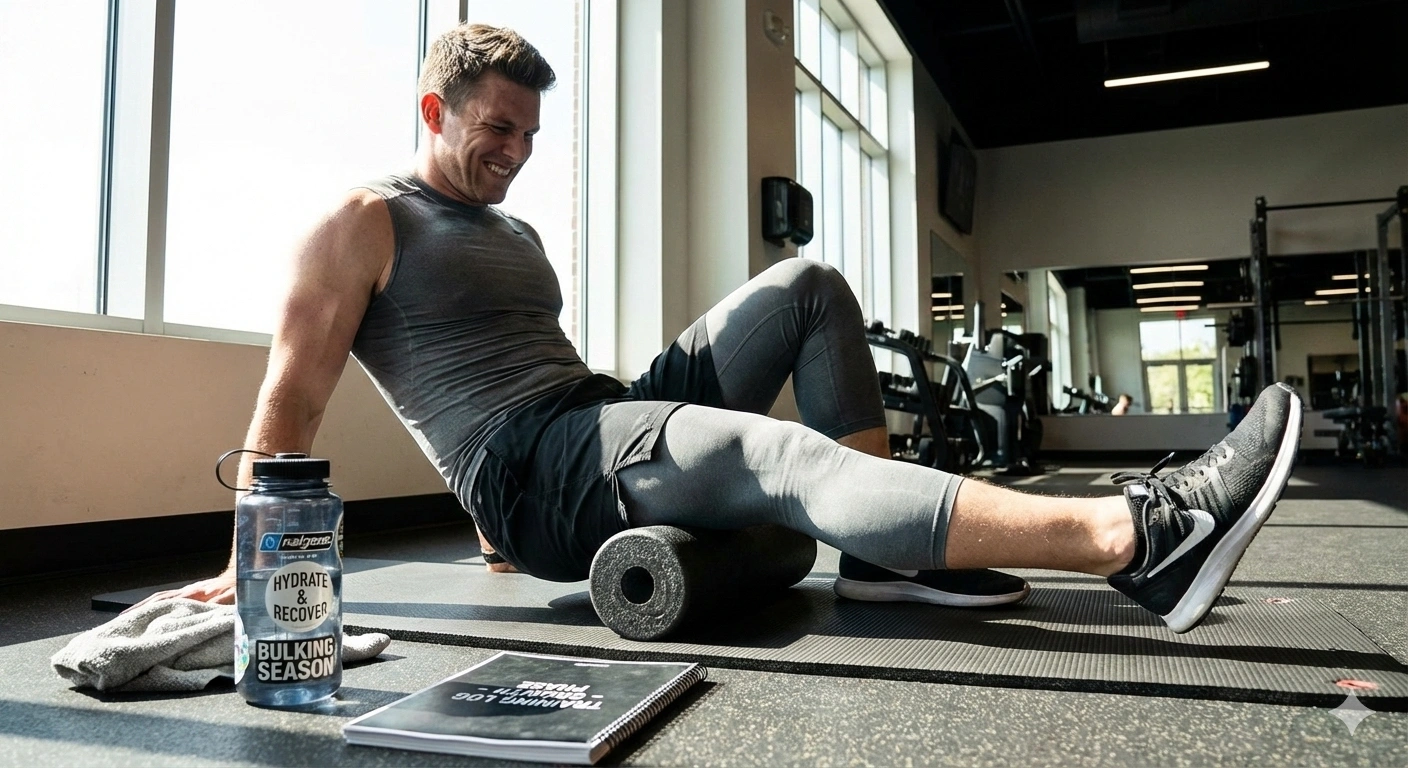
Foam Rolling/Massage: Using foam rollers or getting massages to relieve muscle tension and promote blood flow.

Not Tracking Progress
Mistake: Failing to Monitor Body Changes
Not tracking your progress can make it difficult to see what’s working and what’s not. Without monitoring, you might miss signs that you need to adjust your diet or training.
Solution: Regular Tracking and Assessment
Keep track of your body changes and adjust your bulking strategy accordingly. Regularly measure your body weight, body fat percentage, and muscle circumference. Also, log your dietary intake and strength progress.
Tip: Use Apps or Journals
Use fitness apps or journals to track your progress consistently. These tools can help you spot trends and make necessary adjustments to your training and nutrition plans.

Frequently Asked Questions
1. What is bulking in bodybuilding?
Bulking in bodybuilding is a phase where the primary goal is to gain muscle mass. This involves consuming a caloric surplus, engaging in intensive strength training, and focusing on muscle growth. The aim is to increase size and strength, often followed by a cutting phase to shed excess fat and reveal the muscle gains.
2. Why is it important to avoid common bulking mistakes?
Avoiding common bulking mistakes is crucial because these errors can lead to excessive fat gain, poor health, and even injuries. Mistakes like overeating, neglecting food quality, inadequate training, and skipping recovery can hinder muscle growth and overall progress. By avoiding these pitfalls, you can ensure your bulking phase is efficient, healthy, and effective.
3. How can I calculate the right caloric surplus for bulking?
To calculate the right caloric surplus for bulking, you need to determine your maintenance calories—the number of calories you need to maintain your current weight. Once you have this number, add 250-500 calories to create a surplus. This range supports muscle growth without significant fat gain. You can use online calculators that factor in your age, gender, weight, and activity level to estimate your maintenance calories.
4. What is the difference between ‘dirty bulking’ and ‘clean bulking’?
‘Dirty bulking’ involves consuming a large number of calories from any source, including processed and junk foods, to gain weight quickly. This approach often leads to excessive fat gain and poor health outcomes. ‘Clean bulking,’ on the other hand, focuses on consuming nutrient-dense, whole foods to support muscle growth while minimizing fat gain. Clean bulking emphasizes balanced nutrition and overall health.
5. How can I ensure my training intensity is adequate for bulking?
To ensure your training intensity is adequate for bulking, focus on progressive overload—gradually increasing the weights you lift over time. Incorporate sufficient volume, including multiple sets and reps, and prioritize compound movements like squats, deadlifts, and bench presses. Vary your workouts to continually challenge your muscles and prevent adaptation.

6. Why is recovery important during the bulking phase?
Recovery is essential during the bulking phase because muscle growth occurs during rest, not just during workouts. Adequate recovery allows your muscles to repair and grow stronger, reducing the risk of overtraining and injuries. Prioritize sleep, rest days, hydration, and recovery techniques like foam rolling and massages to optimize muscle growth.
7. How should supplements be used during bulking?
Supplements should complement your diet during bulking, not replace it. Use protein powders to meet your protein needs, creatine for strength and endurance, and BCAAs for muscle recovery. If using SARMs or other performance enhancers, follow recommended guidelines and consult with a healthcare professional. Supplements are tools to support your nutrition and training, not substitutes.
8. What are some effective ways to balance my macronutrient intake while bulking?
Balancing macronutrient intake is crucial for healthy bulking. Focus on high-quality proteins like lean meats, eggs, and legumes to support muscle growth. Include complex carbohydrates such as whole grains, fruits, and vegetables for sustained energy. Don’t forget healthy fats from sources like avocados, nuts, and olive oil to aid in hormone production and overall health. Using a food diary or apps can help you track your intake and ensure you’re hitting your targets.9. How can I ensure my bulking diet is not too restrictive?
Avoiding a restrictive diet while bulking is important to prevent nutrient deficiencies and maintain a healthy relationship with food. Aim for a variety of foods to cover all your nutritional bases. Allow yourself occasional treats to stay mentally satisfied. Incorporate different recipes and cuisines to keep your diet interesting and balanced. Remember, flexibility and enjoyment in your diet can enhance adherence and overall success.
10. What role do rest days play in a successful bulking strategy?
Rest days are vital for muscle recovery and growth. During rest, your muscles repair and strengthen, which is essential for making gains. Overworking without adequate rest can lead to overtraining, increased injury risk, and stalled progress. Incorporate at least one or two rest days per week, and listen to your body. Quality sleep, hydration, and nutrition on rest days further support recovery and growth. Incorporating light activities like walking or stretching can also be beneficial for active recovery.