

PCT Food List When You Grocery Shop
Here are some foods to include in your grocery list:
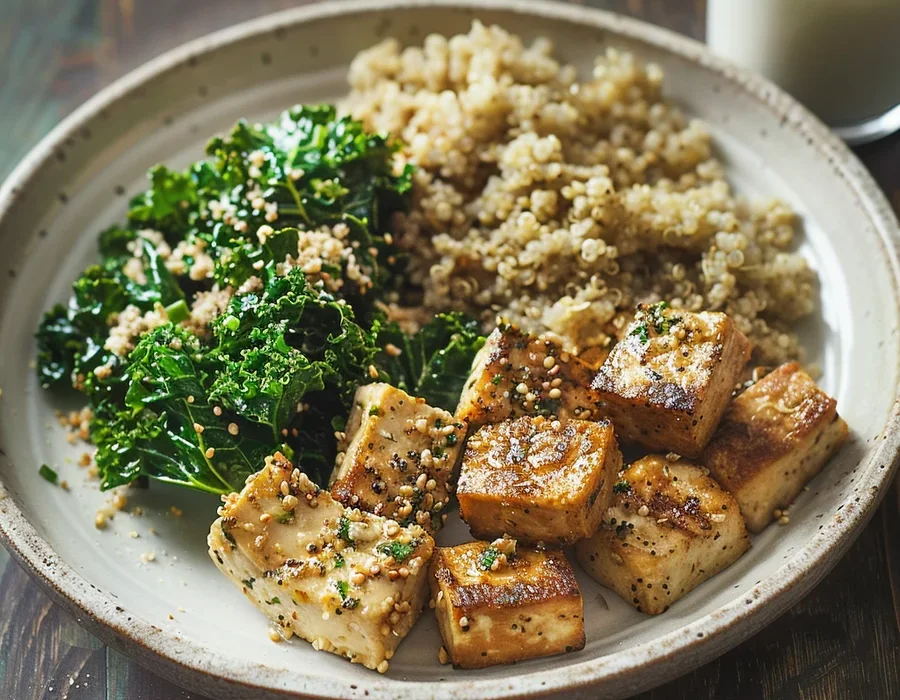
- Proteins: Chicken breast, turkey, fish, eggs, tofu, Greek yogurt, cottage cheese
- Carbohydrates: Brown rice, quinoa, sweet potatoes, oats, whole-grain bread, fruits
- Healthy Fats: Avocado, nuts, seeds, olive oil, fatty fish, almond butter
- Vegetables: Spinach, broccoli, kale, bell peppers, carrots, green beans
- Fruits: Berries, bananas, apples, oranges, pears, grapes
Best Foods for PCT
Certain foods can be particularly beneficial during PCT:
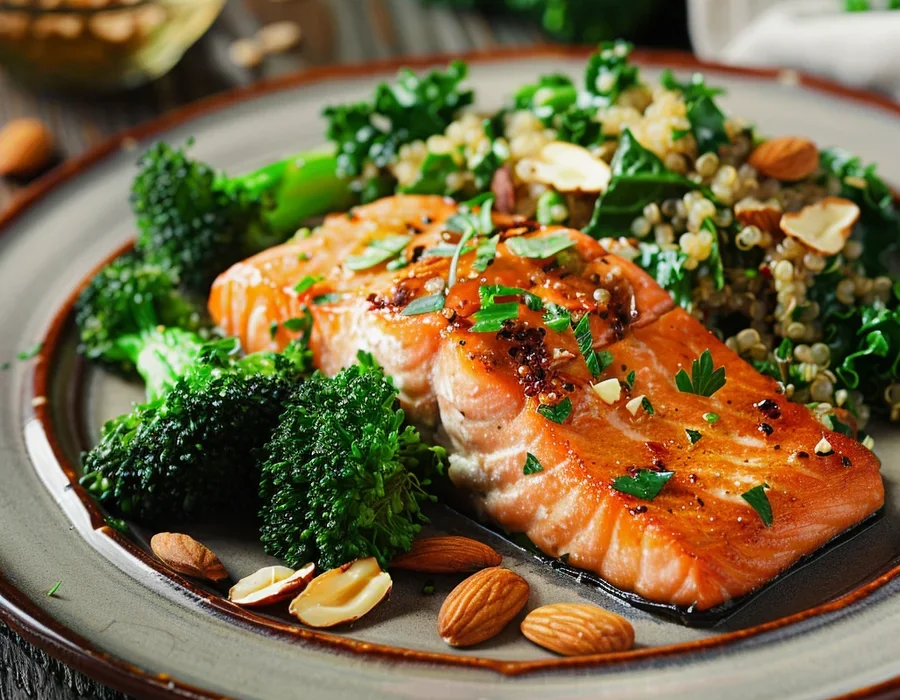
- Salmon: Rich in omega-3 fatty acids, which support hormone production.
- Eggs: High in protein and essential fats.
- Spinach: Contains magnesium, which helps with muscle recovery.
- Quinoa: A complete protein source with essential amino acids.
- Greek Yogurt: High in protein and probiotics for gut health.
- Berries: Packed with antioxidants that help reduce inflammation.
PCT Calories Per Day
During PCT, it’s essential to manage your calorie intake to support recovery without gaining excess fat. On average, maintaining a slight caloric surplus or maintenance level is advisable. Here’s a basic guideline:
|
Activity Level |
Calories per Day (approx.) |
|
Sedentary |
2000-2200 |
|
Moderate |
2200-2500 |
|
Active |
2500-2800 |
Adjusting Caloric Intake
It’s crucial to monitor your body’s response to your caloric intake. If you notice unwanted fat gain, slightly reduce your calorie intake. Conversely, if you experience muscle loss or low energy levels, consider increasing your calorie intake slightly. Using a food diary or a tracking app can help you stay on top of your nutritional needs.
Detailed Breakdown of Post Cycle Therapy Nutrition
PCT Macronutrient Ratios
Balancing macronutrients is crucial during PCT. A general recommendation is:
- Protein: 30-35%
- Carbohydrates: 40-50%
- Fats: 20-30%
This balance ensures your body receives the nutrients needed for recovery and hormone regulation.
Recommended PCT Protein Intake
Protein is vital for muscle repair and maintenance. Aim for 1.2 to 1.5 grams of protein per pound of body weight. This ensures your muscles receive the amino acids necessary for recovery.
Sources of High-Quality Protein
|
Source |
Protein per Serving |
|
Chicken Breast |
31g per 100g |
|
Turkey Breast |
29g per 100g |
|
Salmon |
25g per 100g |
|
Greek Yogurt |
10g per 100g |
|
Tofu |
8g per 100g |
PCT Carbohydrate Needs
Carbohydrates provide the energy required for workouts and daily activities. During PCT, focus on complex carbs to maintain energy levels and support muscle glycogen stores. Aim for 2 to 3 grams of carbs per pound of body weight.
Types of Carbohydrates
|
Type |
Examples |
|
Complex Carbs |
Brown rice, quinoa, oats, whole grains |
|
Simple Carbs |
Fruits like bananas, berries, apples |
PCT Healthy Fats
Healthy fats play a role in hormone production and overall health. Include sources like avocados, nuts, seeds, and olive oil. Aim for 0.3 to 0.4 grams of fat per pound of body weight.
Sources of Healthy Fats
|
Source |
Healthy Fat per Serving |
|
Avocado |
15g per half |
|
Almonds |
14g per 1 ounce |
|
Chia Seeds |
9g per 1 ounce |
|
Olive Oil |
14g per tablespoon |
|
Fatty Fish |
11g per 100g (e.g., salmon) |
PCT Hydration Tips
Staying hydrated is often overlooked but is crucial for recovery. Aim to drink at least 3-4 liters of water per day. Proper hydration helps with nutrient transport, muscle recovery, and overall health.
Benefits of Proper Hydration
- Nutrient Absorption: Water helps in the digestion and absorption of nutrients.
- Muscle Recovery: Hydration aids in reducing muscle soreness and improving recovery.
- Overall Health: Maintains bodily functions and supports immune health.
Practical Aspects of PCT Diet
PCT Meal Timing
Meal timing can influence recovery. Here’s a suggested schedule:
|
Time |
Meal/Snack |
Focus |
|
7:00 AM |
Breakfast |
High in protein and complex carbs |
|
10:00 AM |
Snack |
Protein and healthy fats |
|
1:00 PM |
Lunch |
Balanced meal with protein, carbs, and fats |
|
4:00 PM |
Snack |
Protein and healthy carbs |
|
7:00 PM |
Dinner |
Balanced meal with protein, carbs, and fats |
|
9:00 PM |
Snack |
Protein and healthy fats |
PCT Food Storage For Beginners
Proper food storage ensures you always have nutritious options available. Use meal prepping techniques to store meals in airtight containers. This helps in maintaining freshness and convenience.
Meal Prep Tips
- Batch Cooking: Cook large quantities of protein, carbs, and vegetables.
- Portion Control: Use containers to portion out meals for the week.
- Freezing: Freeze meals to extend their shelf life.


Psychological Aspects of PCT
PCT can be mentally challenging due to the hormonal changes and physical adjustments your body goes through. It’s essential to maintain a positive mindset and have a support system.
Coping Strategies
- Stay Informed: Understanding the PCT process can help manage expectations.
- Seek Support: Connect with others who have gone through PCT for advice and encouragement.
- Mindfulness Practices: Incorporate practices like meditation and deep breathing to manage stress.
Exercise During PCT
Maintaining an exercise routine during PCT is crucial for preserving muscle mass and promoting overall health. However, it’s essential to adjust your workouts to avoid overtraining.
Recommended Exercise Routine
|
Day |
Activity |
|
Monday |
Upper Body Strength Training |
|
Tuesday |
Cardio (Moderate Intensity) |
|
Wednesday |
Lower Body Strength Training |
|
Thursday |
Rest or Active Recovery (Yoga, Stretching) |
|
Friday |
Full Body Strength Training |
|
Saturday |
Cardio (High Intensity Intervals) |
|
Sunday |
Rest or Light Activity (Walking) |
Monitoring Progress During PCT
Keeping track of your progress during PCT can help you make necessary adjustments to your diet and exercise routine. Consider keeping a journal or using an app to log your food intake, workouts, and how you feel each day.
Key Metrics to Track
- Weight and Body Measurements: Track changes in weight and measurements to monitor muscle retention and fat loss.
- Energy Levels: Note your energy levels throughout the day to identify any nutritional gaps.
- Mood and Mental Health: Record your mood and mental well-being to detect any psychological effects of PCT.
-
Long-Term Health Considerations
Post Cycle Therapy is not just about short-term recovery but also long-term health. Ensuring a balanced diet, regular exercise, and mental well-being during PCT can set the foundation for sustainable health and fitness goals.
Tips for Long-Term Success
- Maintain a Balanced Diet: Continue to focus on nutrient-dense foods even after PCT.
- Stay Active: Incorporate regular physical activity into your routine.
- Regular Health Check-ups: Schedule regular check-ups with your healthcare provider to monitor your overall health.

FAQ
What is a PCT diet?
A PCT (Post Cycle Therapy) diet focuses on helping your body recover after a cycle of anabolic steroids or other performance-enhancing substances. It aims to restore natural hormone levels, preserve muscle gains, and maintain overall health.
Why is PCT nutrition important?
PCT nutrition is crucial because it supports the body’s recovery process. Proper nutrition helps restore hormonal balance, reduces the risk of losing muscle mass, and ensures you maintain energy and health during the recovery phase.
What foods should be included in a PCT meal plan?
A PCT meal plan should include:
- High-quality protein sources like lean meats, fish, eggs, and plant-based proteins
- Complex carbohydrates such as whole grains, fruits, and vegetables
- Healthy fats from sources like avocados, nuts, seeds, and olive oil
- Plenty of water and hydrating beverages
- Foods rich in vitamins and minerals to support overall health
What are the best foods for PCT?
Some of the best foods for PCT include:
- Chicken breast
- Salmon and other fatty fish
- Eggs
- Quinoa
- Sweet potatoes
- Leafy greens (spinach, kale)
- Berries (blueberries, strawberries)
- Nuts and seeds
- Olive oil
How many calories should I consume per day during PCT?
Caloric intake during PCT depends on individual needs, but generally, you should aim to consume enough calories to support muscle maintenance and recovery without excessive fat gain. A good starting point is to calculate your maintenance calories and adjust slightly based on your activity level and goals.
How should I time my meals during PCT?
Meal timing can play a significant role in your PCT recovery. Aim to eat balanced meals every 3-4 hours to maintain stable energy levels and support muscle repair. Include a protein-rich snack or meal post-workout to aid recovery.
What macronutrient ratios are ideal for PCT?
An ideal macronutrient ratio for PCT typically includes:
- 30-40% protein to support muscle repair and growth
- 30-40% carbohydrates to replenish glycogen stores and provide energy
- 20-30% healthy fats to support hormone production and overall health
How much protein should I consume during PCT?
Protein intake should be around 1.2 to 2.0 grams per kilogram of body weight per day, depending on your activity level and muscle mass. This helps ensure adequate support for muscle recovery and growth.
What are the carbohydrate needs during PCT?
Carbohydrate needs during PCT depend on your activity level but generally should comprise 30-40% of your total daily caloric intake. Focus on complex carbohydrates for sustained energy release.
Why are healthy fats important during PCT?
Healthy fats are essential during PCT because they support hormone production, including testosterone, which is crucial for recovery. They also provide long-lasting energy and help absorb fat-soluble vitamins.
What are some hydration tips for PCT?
Staying hydrated is vital for overall health and recovery during PCT. Tips include:
- Drinking at least 8-10 glasses of water per day
- Consuming hydrating foods like fruits and vegetables
- Avoiding excessive caffeine and alcohol, which can dehydrate you
- Including electrolytes in your hydration plan, especially if you’re sweating a lot during workouts
How should I store my PCT food?
Proper food storage is important to maintain the quality and safety of your meals. Store perishable items in the refrigerator, keep dry goods in a cool, dry place, and use airtight containers to prolong freshness.
What is a PCT resupply strategy?
A PCT resupply strategy involves planning and prepping meals in advance to ensure you have the right foods available when you need them. This includes grocery shopping, batch cooking, and storing meals for easy access throughout the week.
Can you lose weight on PCT?
Yes, you can lose weight on PCT, but the primary goal should be to maintain muscle mass while allowing your body to recover. Focus on a balanced diet with a slight caloric deficit if weight loss is a goal, and incorporate regular exercise to support muscle retention and fat loss.
How do I create a PCT meal plan?
Creating a PCT meal plan involves:
- Calculating your daily caloric needs
- Determining the right macronutrient ratios
- Planning balanced meals and snacks
- Including a variety of nutrient-dense foods
- Timing your meals to support recovery and energy levels
- Adjusting the plan based on your progress and feedback from your body
What should I avoid eating during PCT?
During PCT, it’s best to avoid:
- Processed and junk foods
- Sugary drinks and snacks
- Excessive alcohol consumption
- Foods high in unhealthy fats and low in nutritional value
- Excessive caffeine, which can disrupt sleep and recovery
How can I maintain motivation during PCT?
Maintaining motivation during PCT can be challenging. Tips include:
- Setting clear, achievable goals
- Tracking your progress and celebrating small victories
- Staying connected with a support group or fitness community
- Reminding yourself of the benefits of PCT and the importance of recovery
- Keeping a positive mindset and focusing on long-term health and fitness goals