When I first started using testosterone enanthate as part of my fitness journey, I didn’t give much thought to how I was administering it—just that I needed to get the hormone into my body. Like many others, I went with the standard intramuscular injections because that’s what everyone in the gym recommended. Little did I know that there was another option: subcutaneous injections. It wasn’t until I heard some of the old-timers in the gym talking about how subcutaneous injections were more convenient and caused less pain that I started to question my methods. That led me to wonder: can you inject testosterone enanthate subcutaneously, and if so, is it just as effective? After a bit of research and personal experimentation, I discovered that there’s a lot more to choosing between these two methods than just convenience—including how each affects hormone absorption and side effects.
In this article, we’ll dive deep into how to inject testosterone enanthate, exploring both subcutaneous (SubQ) and intramuscular (IM) injection methods. We’ll look at the cost, accessibility, the best time to inject testosterone enanthate for optimal hormone stability, and how to manage injection pain, especially in the context of bodybuilding and fitness. Whether you’re new to testosterone enanthate or just looking to optimize your routine, this guide will help you make an informed decision.

Understanding Testosterone Enanthate and Its Administration
Testosterone enanthate is a long-acting form of testosterone often used in hormone replacement therapy (HRT) and by bodybuilders to support muscle growth, recovery, and overall performance. Administering testosterone is a key part of the process, and it can be done in two main ways: subcutaneously (under the skin) and intramuscularly (into the muscle).
Subcutaneous Injections
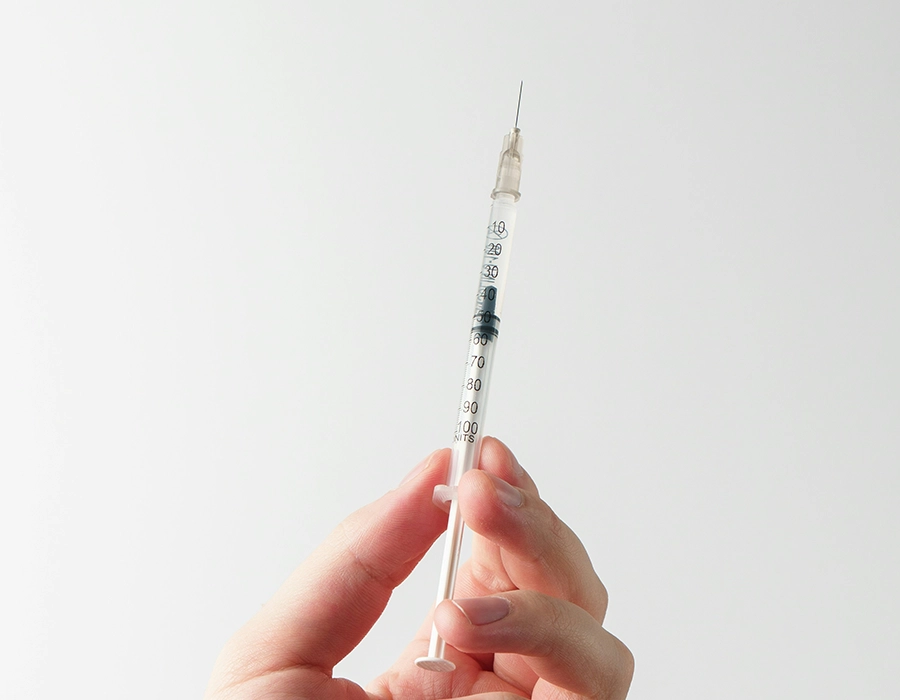
Subcutaneous injections involve injecting testosterone into the fatty tissue just beneath the skin. This method has become increasingly popular in recent years, thanks to the belief that it causes less discomfort and allows for easier self-administration. Many bodybuilders opt for this method because it doesn’t require a deep injection, and smaller needles can be used.
Pros of Subcutaneous Injections:
- Less pain compared to intramuscular injections.
- Smaller needles, making it less intimidating for beginners.
- Easier to administer at home without professional help.
Cons of Subcutaneous Injections:
- Some people experience lumps or nodules at the injection site.
- It may take slightly longer for testosterone to be absorbed compared to intramuscular injections.
Intramuscular Injections
Intramuscular injections involve injecting testosterone directly into the muscle, typically in areas like the glutes, thighs, or deltoids. This method has been the gold standard for testosterone administration for decades and is widely used in medical settings.
Pros of Intramuscular Injections:
- Faster absorption of testosterone into the bloodstream.
- Long-standing reputation as the most reliable method for hormone therapy.
- Recommended for higher doses, as the muscle can absorb larger amounts of liquid.
Cons of Intramuscular Injections:
- Can be more painful, especially with larger needles.
- Greater chance of hitting a nerve or blood vessel if not done correctly.
- May require assistance from a healthcare provider or experienced individual.
Cost Analysis of Subcutaneous Injections
One of the first things people ask when deciding between subcutaneous and intramuscular injections is, “Which is cheaper?” While the cost of testosterone enanthate itself is generally the same, there are some subtle differences in the overall costs of each method, especially when factoring in equipment and frequency of injections.
Breakdown of Costs for Subcutaneous Injections
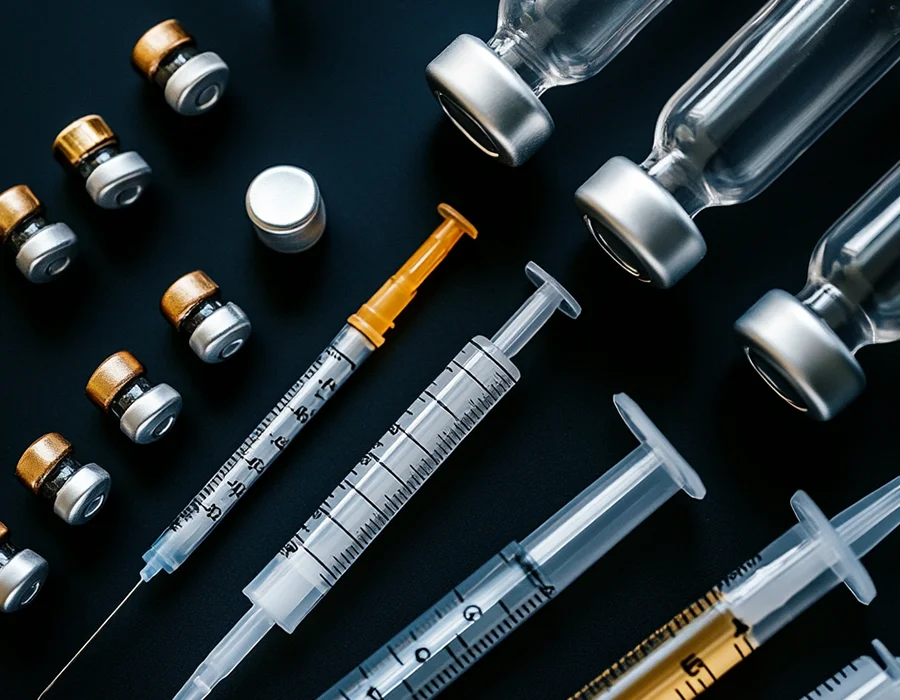
- Syringes and Needles: SubQ injections typically require smaller needles (like 25- or 27-gauge) and insulin syringes, which are usually cheaper than the thicker needles used for intramuscular injections.
- Self-Administration Savings: Subcutaneous injections are easier to administer by yourself, potentially saving money on clinic visits or professional help.
- Long-Term Costs: Because SubQ injections can be done more frequently but with smaller doses, you might need more syringes over time, slightly increasing your total costs.
For most bodybuilders and fitness enthusiasts, the savings from avoiding professional administration can add up over the long run.
Cost Analysis of Intramuscular Injections
Intramuscular injections, while more traditional, come with their own cost considerations. Here’s a breakdown of the typical expenses associated with IM injections:
Breakdown of Costs for Intramuscular Injections
- Syringes and Needles: IM injections often require larger, thicker needles (21- or 23-gauge), which can be slightly more expensive. The cost of larger syringes also adds up over time.
- Professional Help: Many people, especially those new to testosterone therapy, may feel more comfortable having a healthcare professional administer IM injections. While this can offer peace of mind, it also adds to the overall cost.
- Injection Frequency: Because IM injections tend to be administered less frequently (usually once every 1-2 weeks), the cost of syringes and needles may be lower than with SubQ injections over time.
Long-Term Cost Considerations
- Higher initial costs: IM injections may require more professional guidance at first, resulting in higher initial costs, especially if you’re learning how to inject properly.
- Potential for Clinic Visits: If you prefer to have a medical professional perform the injections, consider factoring in the cost of regular visits, which can add up significantly over time.

Accessibility and Practical Considerations
No matter which method you choose, the accessibility of testosterone enanthate and the necessary supplies is crucial. While both SubQ and IM injections require similar tools, there are a few differences in ease of access, especially for bodybuilders.
Availability of Supplies
- SubQ Injections: Syringes and needles for SubQ injections are commonly available at most pharmacies and medical supply stores. Since they use smaller needles, you might even be able to buy insulin syringes over-the-counter.
- IM Injections: Larger needles and syringes for IM injections may require a prescription depending on your location. They are still widely accessible but may not be as easily obtained without going through a pharmacy or clinic.
Practical Tips for Bodybuilders
- Buy in Bulk: Whether you’re doing SubQ or IM injections, buying syringes, needles, and alcohol swabs in bulk can save you money in the long run.
- Manage Regulatory Differences: Depending on where you live, there may be different regulations around buying needles and syringes. Research local laws to ensure you’re following the correct procedures.
Injection Site Selection and Technique
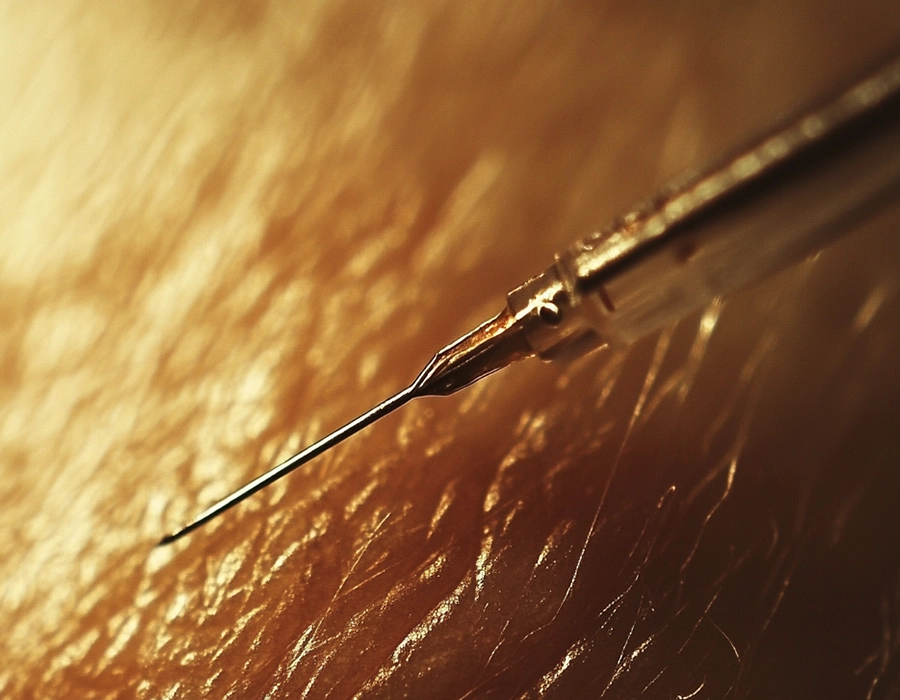
The place you choose to inject testosterone can have a significant impact on the effectiveness of the hormone and your overall comfort. Let’s look at the best sites for both SubQ and IM injections.
Best Places for Subcutaneous Injections
- Abdomen: The most common spot, injecting into the fatty tissue around the belly button is convenient and easily accessible.
- Thighs: Another common site, injecting into the upper thigh fat is an option for those who prefer a larger area.
- Love Handles: The sides of the body, just above the waist, provide plenty of fat for easy injection.
Best Places for Intramuscular Injections
For IM injections, large muscle groups are necessary for proper absorption. The most common sites are:
- Glutes (Buttocks): The gluteus maximus is the most popular site for IM injections, offering a large muscle for easy access and reduced risk of hitting blood vessels.
- Thighs (Quadriceps): The front of the thigh is another convenient spot for IM injections, especially for those self-administering.
- Deltoids (Shoulders): While less common, the deltoid muscle in the upper arm can be used for smaller doses of testosterone.
Tips for Safe and Effective Administration
- Rotate Injection Sites: Constantly using the same spot can cause scar tissue to build up, so it’s important to rotate between sites.
- Always Sterilize the Area: Use alcohol swabs to clean the skin before injecting to reduce the risk of infection.
Comparative Analysis: Subcutaneous vs Intramuscular for Bodybuilders
Bodybuilders often have specific needs when it comes to testosterone administration, and choosing between SubQ and IM injections can significantly affect results. Here’s a closer look at how each method stacks up for bodybuilders.
Effectiveness of Each Method
- SubQ Injections: Many bodybuilders find that SubQ injections provide more stable testosterone levels over time, leading to fewer mood swings and energy crashes. The slower release from fatty tissue helps maintain more consistent hormone levels, which can be ideal for those looking for gradual gains.
- IM Injections: IM injections are often associated with a quicker release of testosterone, which can lead to a more immediate boost in energy and performance. For those looking to maximize muscle growth and recovery quickly, this method might be preferred.
Bodybuilder Preferences
- Some bodybuilders prefer SubQ injections due to the reduced pain and ease of self-administration, especially if they’re injecting frequently.
- Others stick with IM injections, citing the faster results and long-standing use in the bodybuilding community.
Addressing Myths and Misconceptions
One common misconception is that intramuscular injections are always better for muscle growth. While it’s true that IM injections lead to quicker absorption, both methods can be equally effective over time. Many bodybuilders report similar gains with SubQ injections, and the method you choose ultimately depends on your personal preference and how your body responds.
Optimize Your Fitness Routine
Choosing between subcutaneous and intramuscular injections for testosterone enanthate isn’t a one-size-fits-all decision. It depends on your goals, comfort level, and how your body reacts to each method. Both approaches have their pros and cons, and it’s worth experimenting with both to see which works best for you.
No matter which route you choose, consistency is key. Proper technique, rotating injection sites, and tracking your progress are essential to maximizing the benefits of your testosterone therapy. Ready to optimize your routine? Trust Trusted SARMs for premium-quality testosterone enanthate and supplies to support your journey. Take the next step toward achieving your goals today!

Frequently Asked Questions
1. Can testosterone enanthate be injected subcutaneously?
Yes, testosterone enanthate can be injected subcutaneously. Though intramuscular injections have traditionally been the norm, subcutaneous injections are becoming increasingly popular. Many people report that they find this method to be less painful, and it can still maintain stable testosterone levels over time.
2. Are subcutaneous injections less painful than intramuscular injections?
Subcutaneous injections tend to be less painful because they use smaller needles and are administered into the fatty layer under the skin. Intramuscular injections, on the other hand, penetrate deeper into muscle tissue, which can be more uncomfortable for some individuals.
3. Does the injection method affect testosterone absorption?
Both subcutaneous (SubQ) and intramuscular (IM) injections can effectively deliver testosterone enanthate into the bloodstream. However, intramuscular injections tend to absorb slightly faster due to the rich blood supply in muscle tissue. Despite this, many users find no significant difference in overall effectiveness when using subcutaneous injections.
4. How do I choose between subcutaneous and intramuscular injections?
Choosing between subcutaneous and intramuscular injections depends on your comfort level, convenience, and how your body responds to each method. Some people prefer subcutaneous for its ease and less discomfort, while others stick with intramuscular injections for faster absorption. Experimenting with both methods and consulting a healthcare professional can help determine what works best for you.
5. Are subcutaneous injections as effective for muscle growth as intramuscular injections?
Yes, subcutaneous injections can be just as effective as intramuscular injections for muscle growth. While intramuscular injections absorb testosterone slightly faster, both methods can maintain steady hormone levels when administered consistently over time, leading to similar results in bodybuilding.
6. What are the best injection sites for subcutaneous and intramuscular injections?
For subcutaneous injections, common sites include the abdomen (around the navel) and the thigh. For intramuscular injections, the most commonly recommended sites are the glutes (buttocks), deltoids (shoulders), and thighs. Rotating injection sites is important to avoid irritation and tissue damage.
7. How often should testosterone enanthate be injected?
Testosterone enanthate is typically injected every 7-10 days, though this can vary depending on individual needs and goals. Consistency is key to maintaining stable testosterone levels, so it’s important to follow your prescribed injection schedule.
8. Can I administer testosterone enanthate injections at home?
Yes, both subcutaneous and intramuscular testosterone enanthate injections can be administered at home. If you’re new to self-injection, it’s a good idea to get proper training from a healthcare provider to ensure you’re using the right technique and minimizing any risks.
9. What are the side effects of testosterone enanthate injections?
Common side effects include swelling or pain at the injection site, increased red blood cell count, acne, mood changes, and, in some cases, gynecomastia (enlargement of male breast tissue). It’s important to monitor these side effects and consult with a doctor if any symptoms become concerning.
10. Should I consult a doctor before choosing between SubQ and IM injections?
Yes, it’s always a good idea to consult a healthcare professional before deciding between subcutaneous and intramuscular injections. A doctor can help assess your goals, body type, and medical history to recommend the most suitable injection method for you. They can also provide guidance on proper injection techniques to ensure safety and efficacy.