There’s nothing more frustrating than feeling that sharp, nagging pain in your bicep just as you’re about to hit a new personal best. One day, you’re crushing curls, presses, and pull-ups with confidence, and the next, a persistent ache near your shoulder or elbow keeps you from completing even basic movements. For athletes, bodybuilders, and fitness enthusiasts, bicep tendonitis isn’t just a minor inconvenience—it’s a full-blown roadblock that can throw off your entire training routine and slow down your progress.
If you’ve been dealing with tendon pain, you know it’s not just about the soreness. It’s the missed workouts, the hesitation when lifting, and the constant worry that pushing too hard could make it worse. And even after taking time off or trying rest and ice, the problem often lingers, making you feel stuck in a cycle of slow recovery.
That’s where BPC-157—also known as Body Protection Compound 157—comes in. This naturally derived peptide has been gaining serious attention in the fitness and athletic community because it does more than just mask pain: it supports tendon healing, reduces inflammation, and accelerates recovery at a cellular level. Unlike traditional treatments that only focus on symptoms, BPC-157 works with your body’s own repair mechanisms, helping tendons rebuild stronger and more resilient.
But here’s the thing—using BPC-157 effectively isn’t about taking a random dose or hoping for a miracle. It requires understanding how it works, the proper dosage, and the best administration techniques, as well as pairing it with smart recovery practices like mobility work, physical therapy, and proper nutrition. When used correctly, BPC-157 can be a game-changer for bicep tendonitis, helping you regain strength, mobility, and confidence in the gym faster than traditional approaches alone.
In this comprehensive guide, we’ll walk you through everything you need to know about buying BPC 157. You’ll learn about its healing mechanisms, optimal dosages, injection sites, and practical tips to integrate it into a recovery plan that actually works. By the end, you’ll have the tools to tackle tendon pain head-on and get back to your training with less frustration, less downtime, and more consistent results.
So, What Exactly Is BPC-157 and Why Is Everyone Talking About It?
If you’re new to peptides, the name BPC-157 might sound intimidating, but it’s actually pretty straightforward—and incredibly fascinating once you dig in. BPC-157, short for Body Protection Compound 157, is a synthetic peptide derived from a naturally occurring protein found in the human stomach. Originally, scientists were studying it for its ability to heal gastrointestinal injuries, but what they discovered changed the game for athletes, bodybuilders, and anyone struggling with tendon or ligament injuries. This broad interest is also why topics like bpc 157 for herniated disc sometimes show up in rehab and performance discussions.
What makes BPC-157 stand out is its unique ability to support the body’s natural repair mechanisms. Unlike painkillers or anti-inflammatory drugs that only mask discomfort, BPC-157 works at the cellular level. It stimulates angiogenesis—the formation of new blood vessels—which improves blood flow to injured areas, bringing nutrients and oxygen that are critical for tissue repair. It also enhances collagen production, a key building block of tendons and ligaments, and promotes tissue regeneration, which is why it’s becoming the go-to peptide people talk about when dealing with tendonitis, ligament tears, and even some muscle injuries. You’ll even see conversations around issues like bpc 157 hip pain, since athletes often explore multiple angles when trying to understand connective-tissue discomfort.
For athletes and fitness enthusiasts, this means faster recovery and more resilient connective tissue. Imagine pushing through a few weeks of nagging bicep tendonitis without seeing improvement. You start to second-guess every lift, worrying that the next set could make things worse. Now, imagine a scenario where your tendon receives the cellular support it needs to repair itself more efficiently—where inflammation goes down, mobility improves, and you can gradually get back to lifting without fear. That’s the real-world impact of BPC-157.
But it’s not just about the tendons. BPC-157 has been studied for its effects on ligaments, muscles, and even nerve repair. While most research has been in animal models, early reports and anecdotal experiences from athletes suggest it could help with a range of injuries—from chronic tendonitis to partial ligament tears and minor nerve irritation. Essentially, it’s a multi-purpose recovery peptide that enhances the body’s natural healing processes rather than introducing foreign chemicals that force changes.
Another reason people are talking about BPC-157 is that it’s relatively user-friendly. While injection techniques exist, it doesn’t require complicated protocols like some anabolic compounds. With proper dosing, timing, and integration into a recovery routine, many users report noticeable improvements in pain, flexibility, and strength within the first couple of weeks.
In short, BPC-157 is catching attention because it bridges the gap between traditional rehab methods and cutting-edge recovery science. It’s not a miracle cure that instantly fixes injuries, but when used thoughtfully, it can dramatically shorten downtime, support connective tissue repair, and help athletes regain confidence in their training. That’s why so many fitness enthusiasts and professionals are including it in their recovery toolkits—especially for stubborn issues like bicep tendonitis, which can otherwise linger for weeks or months.
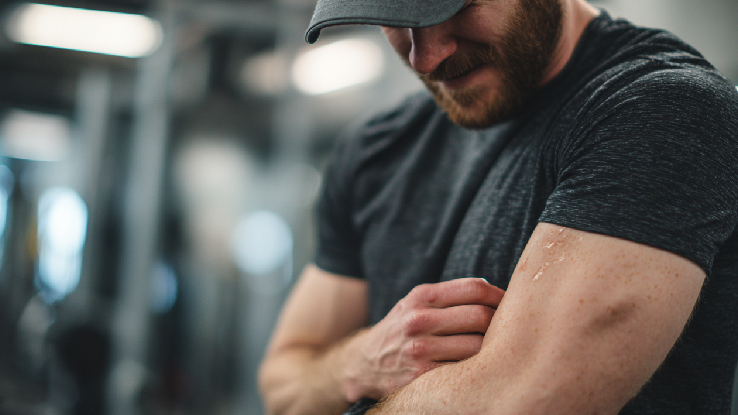
Understanding Bicep Tendonitis and Why It’s Such a Common Setback for Lifters
Bicep tendonitis happens when the tendon connecting your bicep muscle to your shoulder or elbow becomes inflamed often due to repetitive strain or poor lifting mechanics. It’s especially common among people who perform frequent overhead movements, curls, or pressing exercises. Because tendon issues like this show up so often in training circles, it’s no surprise that discussions about bpc 157 for injury frequently come up when athletes talk about different recovery options and how to support the body’s natural healing processes.
You’ll usually feel a dull ache in the front of your shoulder or near your elbow, sometimes followed by sharp pain during movement. If untreated, it can progress into chronic tendonitis or even a partial tear, both of which can sideline you for months.
For lifters and athletes, maintaining training consistency is everything. That’s why addressing bicep tendonitis early — and using proven recovery strategies alongside tools sometimes discussed, like BPC-157 — is critical. It’s about getting back to training smarter, not harder.
You’ll usually feel a dull ache in the front of your shoulder or near your elbow, sometimes followed by sharp pain during movement. If untreated, it can progress into chronic tendonitis or even a partial tear, both of which can sideline you for months.
For lifters and athletes, maintaining training consistency is everything. That’s why addressing bicep tendonitis early — and using proven recovery aids like BPC-157 — is critical. It’s about getting back to training smarter, not harder.
Finding the Right BPC-157 Dosage for Bicep Tendonitis and Getting the Most Out of Every Microgram
The right dosage depends on the severity of your tendonitis and how long you’ve been dealing with it. For most users, results come from small, consistent doses rather than high one-time injections.
- For acute tendon injuries: 250–500 mcg per day is often enough.
- For chronic bicep tendonitis: 500 mcg twice a day helps maintain steady healing activity.
- For post-surgery or severe tendon damage: 500–750 mcg daily may be more effective.
Most people run their BPC-157 protocol for 4 to 8 weeks, depending on the injury’s depth and how their body responds. Consistency is key — skipping doses can slow healing, so daily use is recommended.
Remember, peptides like BPC-157 work best when given time to accumulate in the body and stimulate repair gradually.
How to Administer BPC-157 the Right Way
When it comes to administering BPC-157 for tendonitis, subcutaneous (SubQ) and intramuscular (IM) injections are the two main methods.
- Subcutaneous injections go just under the skin and are ideal for minor inflammation. They’re easy, relatively painless, and still effective for systemic healing.
- Intramuscular injections, on the other hand, target the tissue more directly. For bicep tendonitis, this means injecting near the injured area (but never directly into the tendon).
- Best injection sites: For bicep-related injuries, many prefer injecting near the front of the upper arm or slightly above the elbow joint — areas close enough to the affected tissue but still safe for IM delivery.
Oral administration is possible, though it tends to be less effective due to degradation in the digestive system. Most users report noticeably faster results from injections.
Always remember sterile technique — use clean syringes, alcohol wipes, and never reuse needles. The last thing you want while healing is an infection.

Combining BPC-157 With Recovery Strategies That Actually Work
Even though BPC-157 does a lot of the heavy lifting on the biological side, recovery is always holistic. The fastest way to heal bicep tendonitis is by combining BPC-157 with proper rehab and recovery strategies.
That includes:
- Structured physical therapy sessions to rebuild strength and mobility.
- Anti-inflammatory nutrition, focusing on omega-3s, collagen, and vitamin C.
- Adequate rest and strategic ice/heat therapy when needed.
It also helps to inject at consistent times each day — ideally before bed or after workouts, when the body is primed for recovery.
Track your progress weekly. If inflammation and pain start to subside within two to three weeks, that’s a great sign that the peptide is doing its job. If not, you may need to adjust the dosage slightly or focus more on mobility work alongside your protocol.
What Kind of Results Can You Expect and How Long Does It Take for BPC-157 to Work?
Everyone’s recovery timeline is different, but most users report noticeable changes within 7 to 14 days of consistent use. Pain levels start to drop, inflammation decreases, and movement feels smoother.
By weeks 3 to 4, many people regain strength and mobility in the affected arm, while chronic cases may need up to 8 weeks for full recovery.
Factors like injury severity, age, nutrition, and training habits all influence healing speed — but BPC-157’s tissue-regenerative properties give your body the boost it needs to rebuild faster and more completely.

Healing Bicep Tendonitis With BPC-157 and Trusted SARMs
At the end of the day, BPC-157 for bicep tendonitis isn’t a magic cure — it’s a highly effective tool in a bigger recovery strategy. When paired with proper training adjustments, rest, and nutrition, it can help you return to your workouts with renewed strength and less pain.
At Trusted SARMs, we’ve seen countless athletes and fitness enthusiasts use BPC-157 responsibly and experience life-changing results. Our focus is always on education, quality, and safety — because recovery should never be rushed or reckless.
If you’re serious about healing right and preventing future injuries, invest in high-quality peptides and follow a structured plan. Your tendons will thank you, your lifts will feel stronger, and you’ll get back to training at full capacity — the smart way.

Frequently Asked Questions
How long does it take for BPC-157 to start working on bicep tendonitis?
Most users notice improvements in pain and mobility within 7–14 days of consistent use. Acute injuries often respond faster, while chronic tendonitis may take 3–8 weeks for substantial healing. Consistency is key—skipping doses can slow progress.
What’s the best dosage of BPC-157 for bicep tendonitis?
For acute tendon issues, 250–500 mcg per day is common. Chronic tendonitis usually benefits from 500 mcg twice daily, while post-surgical recovery may call for 500–750 mcg per day. Always start at the lower end to see how your body responds and adjust gradually if needed.
Where should I inject BPC-157 for tendonitis near the bicep?
The most effective injection sites are near the affected tendon but not directly into it. Subcutaneous injections slightly above the elbow or around the upper arm are safe and target the area effectively. Intramuscular injections near the tendon can also work well. Rotate injection sites to prevent irritation.
Can BPC-157 be taken orally instead of injecting?
Yes, oral BPC-157 exists, but it’s generally less effective for localized tendon injuries due to digestive breakdown. If you want fast, targeted recovery for bicep tendonitis, injections are preferred.
How should I combine BPC-157 with workouts and physical therapy?
For best results, pair BPC-157 with light mobility exercises, stretching, and rehab-focused movements. Avoid overloading the injured tendon until pain subsides. Timing injections before bed or after workouts can maximize the peptide’s natural healing effects.
Are there any signs I should monitor while using BPC-157?
Track your pain levels, swelling, and range of motion regularly. Improved flexibility, reduced soreness, and easier lifting are signs that the peptide is working. Adjust dosage or focus on rehab if progress stalls.
How long should a typical BPC-157 cycle last for tendonitis recovery?
Most cycles run 4–8 weeks, depending on injury severity. Acute tendonitis often heals faster, while chronic or severe cases may need a full 8-week cycle for optimal results.
Can I combine BPC-157 with other recovery supplements?
Absolutely. Supporting recovery with protein, collagen, omega-3s, vitamin C, and zinc can help tendons heal faster. BPC-157 works best as part of a holistic recovery plan, not in isolation.
Is BPC-157 suitable for all athletes and fitness levels?
Yes, BPC-157 can be beneficial for anyone dealing with tendonitis, from beginners to competitive athletes. Dosage and timing may vary based on training intensity and injury severity, so adjust accordingly and monitor your body’s response.
What’s the fastest way to see results from BPC-157 for bicep tendonitis?
Consistency and a multi-faceted approach are crucial. Use BPC-157 daily, combine it with rehab exercises, proper nutrition, and rest, and track your progress. Early attention to the injury, rather than pushing through pain, will give you the fastest, most effective recovery.