Turning 50 felt like a major milestone for me—not just in age, but in how I viewed my body and fitness. For years, I had relied on my natural energy and metabolism to stay in shape, but suddenly, things changed. Muscle seemed harder to maintain, recovery took longer, and workouts that once felt easy now demanded more effort. Like many, I bought into the common misconception that building muscle after 50—or even building muscle after 60—was nearly impossible. The idea of lifting weights and transforming my physique felt daunting, and I wondered if I had missed my chance.
But then, I decided to dig deeper. I learned that aging doesn’t have to mean giving up on strength or muscle growth. In fact, with the right knowledge and approach, it’s absolutely possible to build muscle after 50—and to do so safely and effectively. Whether you’re building muscle after 40, 50, or beyond, strength training can dramatically improve quality of life, boost metabolism, support joint health, and even enhance mental well-being.
In this guide, I want to share not just the science behind muscle growth after 50, but also practical advice and encouragement based on my own journey and what I’ve seen work for countless others. We’ll tackle common myths, explore the challenges aging presents, and dive into actionable strategies to help you rebuild muscle, reshape your body, and reclaim your confidence—no matter your current fitness level. Whether you’re just starting out or getting back on track, this is your invitation to embrace fitness after 50 and unlock a stronger, healthier you.
But then, I decided to dig deeper. I learned that aging doesn’t have to mean giving up on strength or muscle growth. In fact, with the right knowledge and approach, it’s absolutely possible to build muscle after 50—and to do so safely and effectively. What’s more, strength training after 50 can dramatically improve quality of life, boost metabolism, support joint health, and even enhance mental well-being.
In this guide, I want to share not just the science behind muscle growth after 50, but also practical advice and encouragement based on my own journey and what I’ve seen work for countless others. We’ll tackle common myths, explore the challenges aging presents, and dive into actionable strategies to help you rebuild muscle, reshape your body, and reclaim your confidence—no matter your current fitness level. Whether you’re just starting out or getting back on track, this is your invitation to embrace fitness after 50 and unlock a stronger, healthier you.
Can You Really Build Muscle After 50?
The short answer? Absolutely. Age might slow things down a bit, but it doesn’t put a stop to muscle growth. With the right training, smart nutrition, and a focus on recovery, you can build strength, add lean muscle, and stay healthy well past 50. In fact, lifting at this stage of life can make a huge difference for energy, mobility, and overall quality of life.
Muscle Growth Still Happens—Here’s How
It’s a common question: can you still build muscle after 50? The answer is a confident yes. While the muscle-building process slows down compared to your 20s or 30s, your body retains the capacity to grow muscle through strength training and proper nutrition.
Sarcopenia, the age-related muscle loss, starts to set in during midlife, but that doesn’t mean your muscles can’t respond to resistance training. In fact, studies show older adults can experience hypertrophy (muscle growth) by lifting weights — sometimes even faster than younger beginners, because their starting point is lower.
Why a Positive Mindset Makes a Huge Difference
Believing in your ability to build muscle after 50 is half the battle. A positive mindset fuels consistency and resilience. Too often, I’ve heard friends say, “I’m too old for this,” or “My body won’t respond anymore.” The truth? Mindset shapes results just as much as reps and sets. Trust the process, celebrate small wins, and stay patient.
What Changes When You Hit 50
Hitting 50 doesn’t mean you can’t train hard or make progress—it just means your body works a little differently. Recovery takes longer, hormone levels shift, and building muscle may feel slower than before. The good news? With smarter training, better nutrition, and a focus on joint health and mobility, you can still make serious gains and stay strong. It’s all about working with your body, not against it.
Losing Muscle Mass—It Happens, But You Can Fight Back
Sarcopenia is a natural part of aging, leading to gradual muscle loss, reduced strength, and slower metabolism. After 50, adults can lose up to 1% of muscle mass per year if inactive. This decline affects mobility, balance, and overall health, making strength training critical to counteract it.
Hormones Shift—Here’s What That Means
Hormones play a key role in muscle growth. After 50, testosterone and growth hormone levels decrease, making it harder to build and maintain muscle. Women experience a drop in estrogen, which affects muscle recovery and bone density. But don’t let these changes discourage you—targeted workouts and nutrition can help balance hormones and support muscle growth.
Recovery Slows Down—Plan for It
Recovery isn’t what it used to be in your 20s. Older adults often experience more soreness and require longer rest periods between workouts. Respecting your body’s signals and allowing proper recovery is vital to prevent injury and promote progress.
Challenges People Over 50 Usually Face
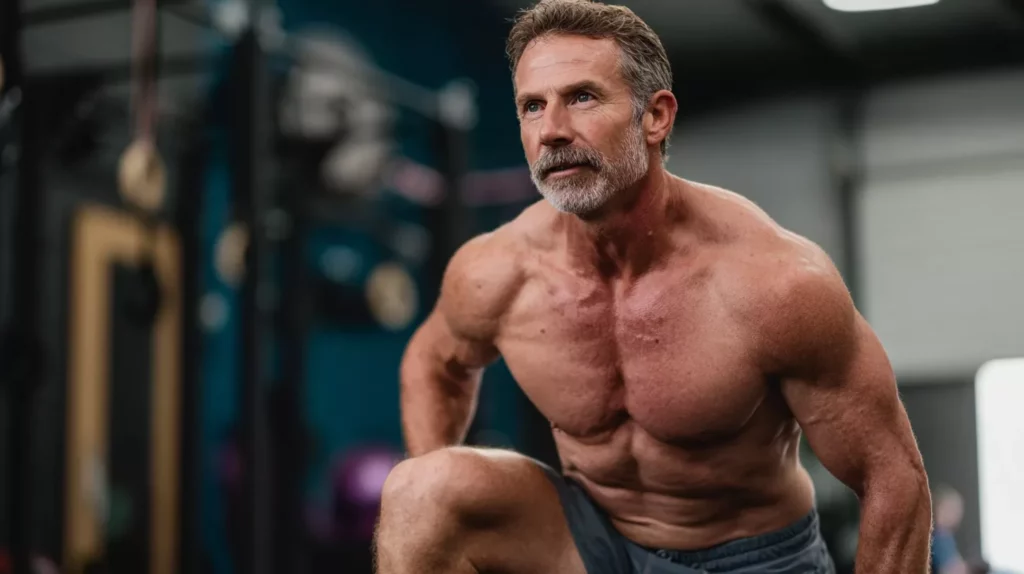
Once you cross 50, building muscle and staying fit comes with its own set of hurdles. Slower recovery, stiffer joints, changing hormone levels, and even a bit less energy are all pretty common. On top of that, many people juggle busy lives, family responsibilities, or old injuries that can make consistency harder. The good news? None of these challenges are deal-breakers—you just have to train a little smarter, recover a little better, and stay consistent to keep making progress.
Fear of Getting Injured—How to Stay Safe
Many over 50 hesitate to lift weights because of injury concerns, and rightly so—joints and connective tissues become more vulnerable with age. However, safe strength training practices, like proper warm-ups, controlled movements, and listening to your body, dramatically reduce risks.
Motivation and Consistency—Keeping the Fire Alive
Staying motivated can be tough, especially if results seem slower. Life gets busy, and energy levels can fluctuate. Finding enjoyable workouts, setting realistic goals, and tracking progress helps maintain consistency. Remember, the journey is a marathon, not a sprint.
Nutritional Needs—Fueling Gains Wisely
Nutrition needs evolve after 50. Your body requires more protein to stimulate muscle protein synthesis, plus nutrients that support joint and bone health. Ignoring nutrition will stall your gains, no matter how hard you train.
How Often Should You Hit the Weights?
When you’re first starting out, it’s tempting to think more workouts automatically mean faster results. But the truth is, your body grows when it rests—not just when you’re lifting. Most beginners do well with 3–4 weight sessions per week, giving their muscles time to recover and rebuild. As you progress, you can adjust your frequency based on your goals, energy, and recovery. It’s all about finding that sweet spot where you’re challenging yourself without burning out.
Recommended Frequency for Strength Training
For muscle growth after 50, experts generally recommend lifting weights 2 to 4 times per week. This frequency balances enough stimulus for muscle growth with adequate recovery. You can alternate muscle groups or focus on full-body workouts depending on your schedule and fitness level.
Balancing Training with Recovery—Don’t Burn Out
Listening to your body is crucial. If you’re still sore or fatigued, take an extra rest day. Incorporate low-impact activities like walking or yoga on rest days to promote circulation and flexibility. Recovery supports progress just as much as training.

Best Exercises for Muscle After 50
When you’re over 50, exercise selection matters more than ever. The goal isn’t just building muscle—it’s also about protecting your joints, improving balance, and keeping your body moving well. Big compound lifts like squats, presses, and rows are still some of the most effective moves, but they might need to be adjusted with lighter weight, machines, or resistance bands to stay joint-friendly. Adding in core work and flexibility exercises also helps keep you strong and mobile. The key is focusing on movements that build strength without beating up your body.
Top Picks for Muscle Growth
Focusing on compound movements is a smart strategy for older adults, as they engage multiple muscle groups and improve functional strength. Here are some top exercises:
- Squats: Builds legs, glutes, and core strength.
- Deadlifts: Strengthens the posterior chain, including back and hamstrings.
- Push-ups or Chest Press: Targets chest, shoulders, and triceps.
- Rows: Works upper back and improves posture.
- Overhead Press: Builds shoulder and arm strength.
- Lunges: Improves balance and leg strength.
Customizing Workouts for Men vs Women
While men and women can follow similar workout routines, hormonal differences mean women might benefit from slightly different approaches—like focusing more on lower body and core, and incorporating more recovery and joint mobility work. Men, dealing with testosterone decline, might need to emphasize intensity and protein intake more.
Eating to Build Muscle After 50
Nutrition plays a massive role in building muscle at any age, but after 50, it becomes even more important. Your body doesn’t process protein as efficiently as it used to, recovery takes longer, and your metabolism may slow down a bit. That means what you eat—and when you eat it—can directly impact your progress. Focusing on high-quality protein, whole foods, and balanced meals helps fuel workouts, repair muscle, and keep energy levels steady. The right nutrition plan not only supports muscle growth but also keeps you feeling healthier and stronger overall.
Protein—How Much Do You Really Need?
Protein is king for muscle growth. After 50, adults generally need between 1.2 to 2.0 grams of protein per kilogram of body weight daily to support muscle repair and growth. Spreading protein intake evenly across meals enhances synthesis.
Eating Smart for Muscle Gains
Prioritize whole, nutrient-dense foods. Incorporate lean meats, fish, dairy, legumes, and plant-based proteins. Include plenty of colorful vegetables for antioxidants and fiber. Don’t forget healthy fats from sources like nuts, seeds, and olive oil, which support hormone health.
Supplements That Actually Help
Supplements can help fill nutritional gaps:
- Protein powders: Whey or plant-based options help meet daily protein targets.
- Creatine: Shown to boost strength and muscle mass, even in older adults.
- Vitamin D and Calcium: Support bone health.
- Omega-3 fatty acids: Help reduce inflammation and support joint health.
Always consult with a healthcare provider before starting supplements.
Reshaping Your Body at 50
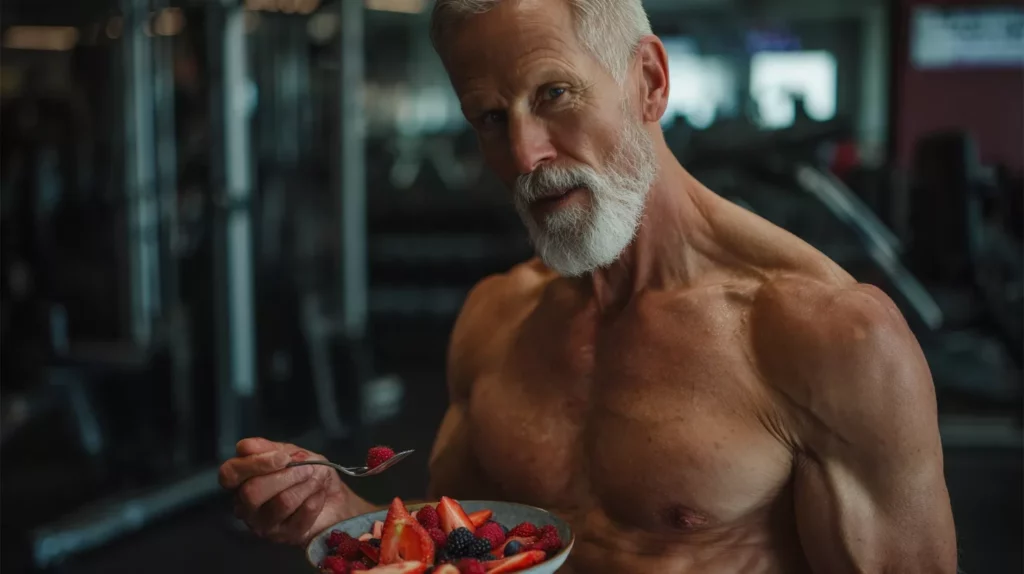
Hitting 50 doesn’t mean you can’t transform your body—it just means you have to approach it a little differently. With the right mix of strength training, smart nutrition, and consistency, you can drop fat, build lean muscle, and feel stronger than you did years ago. It’s less about chasing quick fixes and more about building a lifestyle that keeps you healthy, fit, and confident for the long run.
Can You Really Reshape Your Body?
Absolutely! With consistent training and smart nutrition, body transformation is achievable. Muscle growth helps boost metabolism, reduce fat, and improve posture and confidence.
Setting Realistic Expectations
Transformation takes time, especially with aging. Celebrate incremental progress and set achievable goals like increasing strength, improving mobility, or fitting into favorite clothes rather than expecting dramatic overnight changes.
Rest, Recovery, and Avoiding Injuries
Rest and recovery are as important as the workout itself, especially for individuals over 50. Your body needs time to repair muscle tissue, replenish energy stores, and adapt to the stresses of training. Ignoring recovery can lead to overtraining, injury, and burnout—hindering your muscle-building goals.
Recovery Science for Older Adults
As we age, recovery processes slow down, and muscle soreness may last longer. This makes rest periods critical for preventing injury and promoting optimal gains. Incorporating rest days and active recovery (such as gentle stretching or walking) can accelerate healing.
Sleep is another cornerstone of recovery. Quality sleep supports the release of growth hormone, a key player in muscle repair. Aim for 7-9 hours of uninterrupted sleep per night, and establish a consistent sleep schedule to enhance rest quality.
Spotting and Preventing Overtraining
Overtraining happens when the intensity and volume of workouts exceed your body’s ability to recover. Symptoms include persistent fatigue, irritability, decreased performance, and increased injury risk. Older adults are particularly vulnerable due to slower recovery mechanisms.
To avoid overtraining:
- Monitor how your body feels day-to-day and scale back workouts if you experience unusual soreness or fatigue.
- Incorporate periodization—alternating phases of high and low intensity.
- Prioritize recovery strategies like massage, foam rolling, and contrast baths.

Injury Prevention—Train Smart
Injury prevention is paramount when building muscle later in life. Common injuries include strains, tendonitis, and joint pain, often resulting from improper form, inadequate warm-up, or lifting weights that are too heavy.
Safe training tips include:
- Warm-Up and Cool-Down: Spend 10-15 minutes warming up with dynamic stretches and light cardio. After your workout, cool down with static stretching to improve flexibility.
- Proper Technique: Focus on mastering form before increasing weights. Working with a personal trainer or using video tutorials can help.
- Listen to Your Body: Don’t push through pain—distinguish between normal workout discomfort and injury signals.
- Gradual Progression: Increase intensity and volume slowly to allow your muscles, joints, and tendons to adapt.
- Joint Health Support: Incorporate exercises that strengthen muscles around vulnerable joints and consider supplements like glucosamine or collagen with your healthcare provider’s advice.
Why Professional Guidance Can Save You
Especially when beginning or changing your routine, consulting a fitness professional experienced in training older adults can ensure your program is safe and effective. They can tailor workouts to your health status, mobility, and goals, reducing injury risk and maximizing results.
The Role of Community and Support
When it comes to building muscle after 50, one of the most underestimated factors in success is having a strong community and support system. Fitness is not just a physical journey; it’s also deeply emotional and psychological. For older adults, staying motivated and consistent can be challenging—whether due to busy schedules, health setbacks, or simply the normal ebb and flow of life. Having a network that encourages you, holds you accountable, and shares your goals can make all the difference.
Workout Buddies That Actually Help
One of the simplest yet most effective ways to stay motivated after 50 is finding a workout buddy or joining a fitness group. The benefits go beyond just having someone to exercise with:
- Accountability: When someone else is counting on you to show up, it’s much harder to skip workouts. Knowing your partner is relying on you creates a sense of responsibility.
- Social Connection: Building friendships through exercise helps combat the loneliness or isolation that can sometimes accompany aging. Plus, sharing progress and challenges with someone who understands keeps spirits high.
- Safety and Support: Especially when trying new exercises or heavier weights, having a buddy means there’s someone to spot you, help correct your form, or encourage you to push just a bit harder without risking injury.
Many community centers, gyms, and health clubs offer specialized fitness classes for people over 50, from strength training to yoga and swimming. These classes create an environment where everyone shares similar goals and physical capabilities, making them ideal places to meet like-minded individuals.
If in-person groups aren’t an option, consider seeking out online fitness communities. Platforms like Facebook, Reddit, or dedicated forums have groups specifically focused on fitness after 50, strength training for seniors, or body transformation stories for older adults. Being part of these virtual communities offers a constant source of motivation, tips, encouragement, and sometimes even friendships that transcend the digital world.
Online Communities That Keep You Going
The internet is a treasure trove of information and support, especially for older adults embarking on a muscle-building journey. Reliable online resources can provide workout plans, nutritional advice, and detailed explanations of exercises tailored for aging bodies. But beyond information, forums and social networks create a unique space for sharing experiences, setbacks, and breakthroughs.
Many people find that reading about others’ journeys helps normalize the challenges they face. For example, hearing stories about overcoming sarcopenia or adapting routines after joint pain can inspire practical solutions for your own workouts. Forums also offer opportunities to ask experts or seasoned members about supplements, recovery techniques, or modifications for certain health conditions.
Some popular and trustworthy platforms include:
- Bodybuilding.com forums – With dedicated sections for older adults and strength training advice.
- Reddit’s r/FitnessOver50 – A community specifically geared toward fitness enthusiasts over 50.
- Facebook groups like “Seniors Strength Training” or “50+ Muscle Building Community,” where members post regularly about workouts, nutrition, and motivation.
Many Trusted SARMs customers also share their transformation stories and supplement experiences in various online groups. Connecting with these communities can offer reassurance that you’re not alone and that success after 50 is absolutely achievable.
Feeling Like You Belong Boosts Your Results
Humans are social creatures, and belonging to a group can profoundly impact motivation and mental well-being. For older adults, this sense of belonging can be especially important as social circles sometimes shrink due to retirement, relocation, or health issues.
Working out with a community or having a support system offers emotional benefits such as:
- Reduced stress and anxiety: Engaging with others during workouts can elevate mood and reduce feelings of isolation.
- Increased self-esteem: Sharing progress and receiving encouragement helps build confidence in your body and abilities.
- Sustained motivation: Knowing others are working towards similar goals keeps your fitness journey fresh and exciting.
The feeling that you’re part of something bigger than yourself—whether it’s a local gym class, an online forum, or a small circle of friends—can transform your fitness routine from a chore into a cherished part of your lifestyle.
Build Muscle After 50 with Trusted SARMs
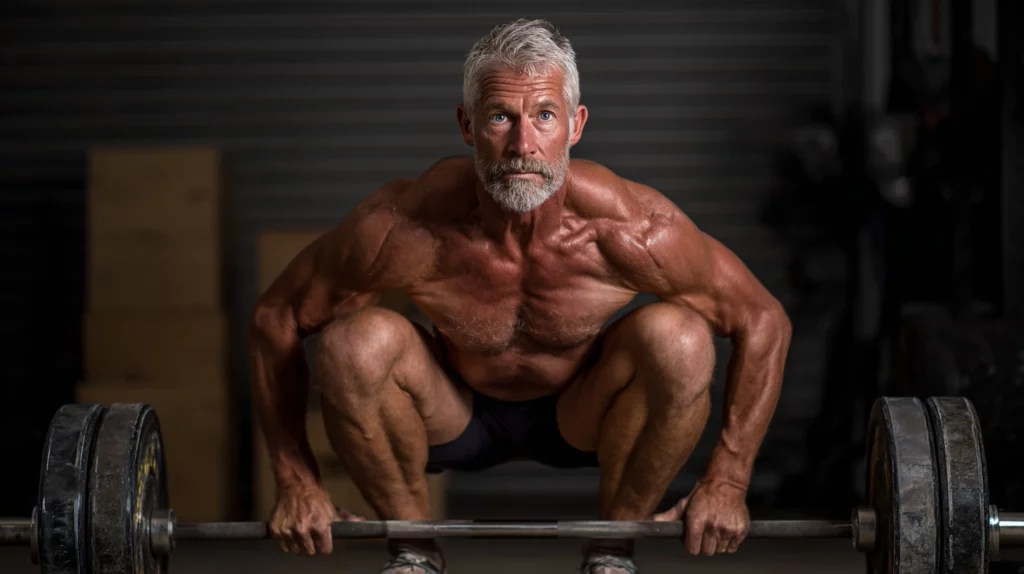
Building muscle after 50 is not only possible but can be incredibly rewarding when approached with the right knowledge, mindset, and support. Aging brings unique challenges such as hormonal changes, slower recovery, and the risk of injury, but these can be overcome with consistent strength training, proper nutrition, and smart exercise choices tailored to your body’s needs.
At Trusted SARMs, we understand the importance of quality, transparency, and scientifically backed supplements to help you maximize your muscle growth and fitness journey after 50. Whether you’re just starting or looking to reshape your body, our rigorously tested products can support your strength, recovery, and overall performance safely and effectively.
Embrace the journey of fitness after 50 with confidence and motivation. Remember, it’s never too late to start building muscle, improving your health, and transforming your body. Start today with trusted resources and products designed specifically for your goals — because your best years are still ahead.