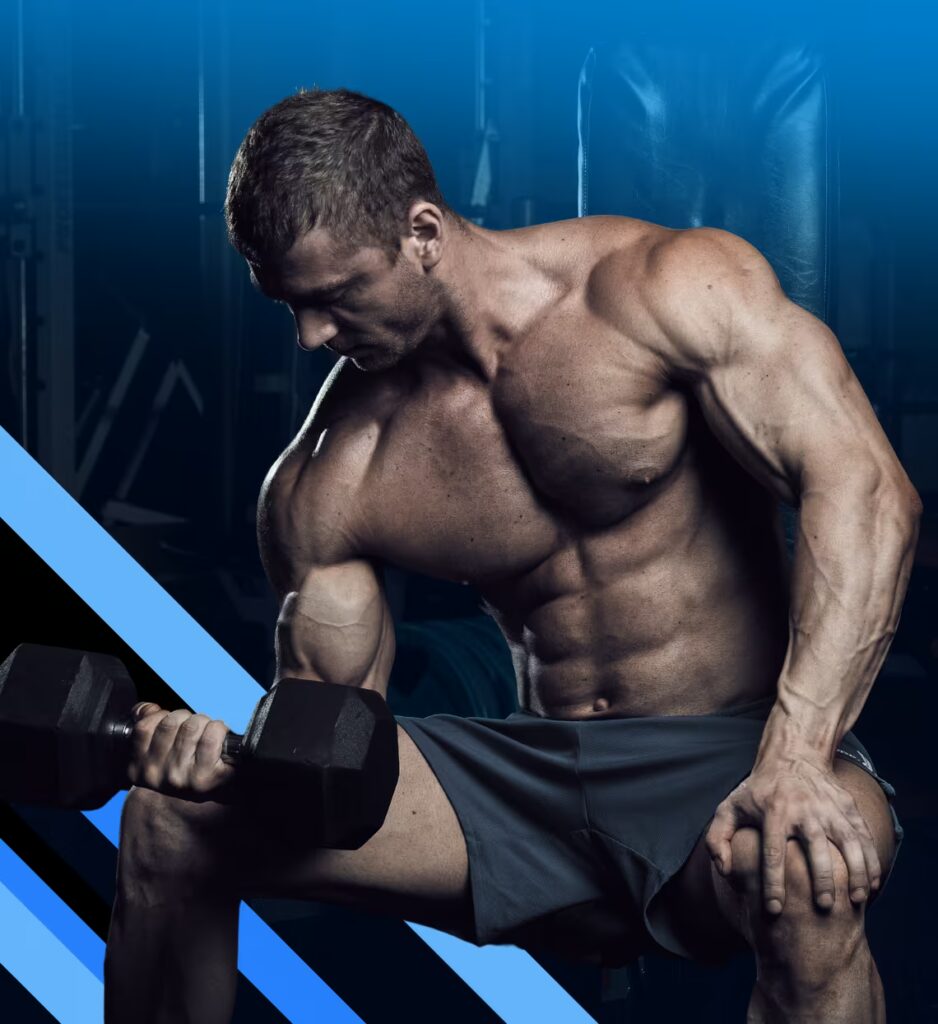
If you’re into bodybuilding, then you’ve likely heard of Dorian Yates—one of the most successful and influential figures in the sport. As a six-time Mr. Olympia champion, Yates revolutionized bodybuilding with his unique approach to training, emphasizing intensity and quality over sheer volume. His philosophy, High-Intensity Training (HIT), pushed the limits of muscle growth and became a game-changer in the fitness community.
I still remember the first time I tried implementing Dorian Yates’ workout split. Like many, I was stuck in a routine that had me doing way too many sets and reps, hoping to see growth. But when I adopted Yates’ HIT principles, the results were mind-blowing. It wasn’t just about lifting heavier weights—it was about focusing on quality reps, pushing my muscles to the point of failure, and incorporating smart recovery practices.
While Yates championed intensity and minimal volume, others like Jay Cutler found success through a higher-volume approach. The Jay Cutler bodybuilding program offers a contrasting perspective—built around strategic volume, frequency, and methodical training splits. Exploring both legends’ methods side by side can give you a broader understanding of how individualized training styles can still lead to elite results.
In this article, I’ll walk you through Dorian Yates’ bodybuilding routine, covering everything from his high-intensity training methods to his nutrition strategies. If you’re looking to take your training to the next level, Yates’ approach could be exactly what you need.
Understanding High-Intensity Training (HIT)
High-Intensity Training (HIT) is a training methodology that revolves around pushing your body to its absolute limits, but in a controlled and strategic way. Developed by Arthur Jones in the 1970s, this training philosophy was later popularized by Dorian Yates, who took it to the next level with his own unique approach. While traditional bodybuilding routines often include multiple sets with moderate intensity, HIT focuses on performing just one set per exercise, but with an intensity that pushes the muscle to complete failure.
Key Characteristics of HIT
- Intensity Over Volume: Unlike traditional bodybuilding routines, where multiple sets of each exercise are performed, HIT emphasizes fewer sets (usually just one) that are pushed to failure. The goal is to achieve muscle failure in a shorter time frame by increasing intensity, which stimulates muscle growth more effectively.
- Time Under Tension: Another core component of HIT is controlling the time your muscles spend under tension during each rep. By slowing down the movement and focusing on the eccentric (lowering) part of the lift, you can increase the muscle’s time under tension, which is crucial for hypertrophy (muscle growth).
- Recovery is Key: HIT proponents, including Dorian Yates, believe that recovery is just as essential as training itself. Because of the high intensity, the body needs ample time to recover between sessions. Yates famously employed a 4-day on, 1-day off split to give his body sufficient recovery time while still maintaining an intense training schedule.
- Training to Failure: Perhaps the most significant feature of HIT is training to failure. This means that you push each set until you can no longer complete another rep with good form. By going to failure, you recruit all muscle fibers, stimulating maximum growth potential.
Why HIT Works for Muscle Growth
High-Intensity Training is effective because it works with the body’s natural muscle-building process. When you train to failure, you create micro-tears in your muscle fibers. As your body repairs these tears, the muscle grows back stronger and larger. The key is pushing each set to the point where you can no longer complete another rep—this forces your muscles to adapt by growing larger and stronger.
Yates’ version of HIT also involves using progressive overload, meaning you gradually increase the weight or intensity of the exercises to continue challenging your muscles. Over time, this leads to continuous growth, as your body never fully adapts to the stresses you place on it.
For bodybuilders like Yates, HIT offers an efficient and highly effective way to achieve maximum muscle growth in less time compared to traditional bodybuilding programs. Rather than spending hours in the gym, HIT allows for short, intense workouts that help you overcome muscle growth plateau.

The Dorian Yates Workout Split
One of the cornerstones of Yates’ approach is his 4-on, 1-off training split. This routine is designed to maximize intensity while allowing enough recovery time for muscles to grow. Here’s a closer look at how each day breaks down.
Day 1: Shoulders and Triceps
Yates’ shoulder workout is intense but targeted. Instead of doing multiple sets with low intensity, he focuses on compound movements followed by isolation exercises to fully stimulate the muscle.
- Key Exercises:
- Overhead Press: 3 sets, aiming for 8-12 reps, to hit the deltoids hard.
- Lateral Raises: 2-3 sets of 8-12 reps to target the side delts.
- Triceps Dips: 3 sets to failure for a deep stretch and contraction.
Day 2: Back and Rear Delts
Yates’ back workout is legendary for its intensity. He places great importance on mind-muscle connection, focusing on squeezing and contracting the muscles with each rep.
- Key Exercises:
- Lat Pulldowns: 3 sets, focusing on full range of motion.
- Barbell Rows: 3 sets of 6-8 reps.
- Rear Delt Flyes: 3 sets of 10-12 reps for the rear delts.

Day 3: Chest, Biceps, and Abs
On chest and biceps day, Yates emphasizes a deep contraction, especially during isolation exercises.
- Key Exercises:
- Incline Bench Press: 3 sets to failure for a deep stretch.
- Chest Flyes: 2-3 sets for more isolation.
- Bicep Curls: 4 sets with slow, controlled movements.
- Ab Crunches: Focus on abs for 3 sets of 15-20 reps.
Day 4: Quadriceps, Hamstrings, and Calves
Leg day in Yates’ routine is not for the faint-hearted. High-intensity leg training is crucial to building overall strength and mass.
- Key Exercises:
- Squats: 3 sets to failure.
- Leg Press: 3 sets of 10-12 reps, focusing on depth.
- Calf Raises: 4 sets of 12-15 reps to target the calves.

The Blood and Guts Workout Philosophy
If you’ve ever heard of “Blood and Guts”, it’s Dorian Yates’ signature training philosophy that pushes the boundaries of intensity. It’s all about pushing through pain and discomfort, tapping into that mental strength to go beyond your perceived limits.
Key Components of the Blood and Guts Routine:
- Intensity: Every set is taken to complete failure.
- Mental Toughness: Yates emphasizes the psychological aspect of training, encouraging lifters to “dig deep” and keep pushing.
- Focus on Form: While intensity is the main focus, form must be maintained to avoid injury and ensure proper muscle engagement.
Key Principles of Dorian Yates' Training
Progressive Overload
One of the foundational principles of Yates’ training is progressive overload—gradually increasing the weight, reps, or sets to continually challenge the muscles. This ensures that your body is always adapting, leading to muscle growth over time.
Tracking Progress: Keeping a training journal is crucial for monitoring your progress, adjusting weights, and ensuring consistent gains.

Controlled Form and Time Under Tension
Yates’ training isn’t just about lifting heavy weights. He believes that controlled, slow movements during lifts, especially on the eccentric (lowering) phase, maximize time under tension, which is a key factor in muscle growth.
- Why It Works: Slow, controlled movements activate more muscle fibers and promote hypertrophy more effectively than faster lifts.
Balancing Cardio with Resistance Training
Although Yates is known for his heavy lifting, he also understands the importance of cardio in maintaining cardiovascular health and conditioning. His cardio sessions are minimal but focused, helping to maintain a lean physique without sacrificing muscle.
- Cardio Routines: Yates typically recommends low-intensity steady-state (LISS) cardio, such as walking or cycling, on rest days to improve recovery.
Nutrition Strategies for Optimal Performance
Yates’ bodybuilding success wasn’t just about training; his nutrition was equally as important. His approach is simple but effective.
- Macronutrient Breakdown: Focus on protein to repair muscles, carbohydrates for energy, and fats for hormone production and joint health.
- Meal Timing: Yates recommends eating 5-6 meals per day, with a focus on high-quality proteins and complex carbs pre- and post-workout

Supplements to Support Training
Yates has used various supplements throughout his career to support muscle growth and recovery. Some of the staples include:
- Whey protein for muscle repair
- Creatine for explosive energy
- BCAAs for endurance and muscle protection
Recovery Techniques for Muscle Growth
Incorporating recovery strategies into your routine is essential for growth. Yates values rest and recovery to overcome post-workout fatigue. Here’s what works for him:
- Foam Rolling: Helps with muscle tension and recovery.
- Stretching: Keeps muscles flexible and reduces soreness.
- Visualization and Mindset: Yates is a strong proponent of mental recovery, encouraging lifters to focus on positive thoughts and visualization techniques.
Common Mistakes to Avoid
Even seasoned bodybuilders can fall into traps when following an intense routine like Yates’. Some common mistakes to avoid include:
- Overtraining: Pushing yourself too hard without adequate rest will lead to burnout.
- Neglecting Recovery: Not giving your muscles time to recover can hinder growth.
- Skipping Warm-ups: Always warm up properly before heavy lifts to avoid injury.

Transform Your Physique with Trusted SARMs
If you’re serious about building muscle and transforming your physique, Dorian Yates’ bodybuilding routine could be the game-changer you’ve been looking for. By embracing the high-intensity principles of Yates’ HIT philosophy, focusing on progressive overload, and perfecting your form with every lift, you can push your limits and unlock your true potential.
But remember, achieving great results isn’t just about lifting weights—nutrition, recovery, and supplements all play a vital role in the process. Yates’ approach isn’t a quick fix but a lifestyle. It’s about dedication, consistency, and pushing yourself to the edge in order to grow.
If you’re committed to following a routine that truly challenges your body and mind, consider implementing Dorian Yates’ techniques into your own workout plan. And, if you’re looking for quality supplements to support your journey, Trusted SARMs is a great place to find top-notch bodybuilding supplements, SARMs, and other gear to enhance your performance and recovery.
Transform your physique the Dorian Yates way—hit failure, push your limits, and see the results you’ve always dreamed of. It’s time to take your training to the next level!
Frequently Asked Questions
1. What is Dorian Yates’ HIT training philosophy?
Dorian Yates’ HIT (High-Intensity Training) philosophy revolves around short, intense workouts with fewer sets, but each set is pushed to complete muscle failure. The goal is to focus on quality, not quantity, and allow for maximum muscle growth in less time.
2. How many days a week does Dorian Yates train?
Yates follows a 4-on, 1-off split, meaning he trains for four consecutive days and then takes one day of rest. This schedule allows for maximum intensity on each workout while ensuring enough recovery time.
3. What is the “Blood and Guts” workout?
The “Blood and Guts” workout is a high-intensity, no-excuses training philosophy pioneered by Dorian Yates. It emphasizes pushing each set to absolute failure, with a focus on mental toughness and form.
4. How do I incorporate progressive overload into my training?
To incorporate progressive overload, you should gradually increase the weight, reps, or sets over time. This ensures that your muscles are continually challenged, leading to growth.
5. What are some of the key nutrition tips Dorian Yates follows?
Yates follows a high-protein, moderate-carb, and moderate-fat diet, focusing on eating 5-6 meals per day with quality foods. He also recommends supplementing with protein shakes, creatine, and BCAAs to support muscle recovery.
6. Does Dorian Yates recommend cardio?
Yes, but in moderation. Yates typically recommends low-intensity steady-state (LISS) cardio, such as walking or cycling, to support recovery without interfering with muscle growth.
7. How important is recovery in Dorian Yates’ routine?
Recovery is crucial in Dorian Yates’ training philosophy. He places a strong emphasis on allowing muscles to fully recover between intense workouts. This includes adequate sleep, proper nutrition, and active recovery methods like stretching and foam rolling. Yates often says that recovery is just as important as the workout itself, as it’s during recovery that muscles actually grow.
8. Can beginners follow Dorian Yates’ routine?
While Dorian Yates’ routine is intense, beginners can absolutely benefit from incorporating elements of his training style. However, beginners may want to start with a less intense version of his routine, focusing on building foundational strength and gradually working up to the higher intensity levels that Yates advocates. It’s also important to ensure that proper form is maintained to prevent injury.
9. How does Dorian Yates train for leg day?
Dorian Yates’ leg day is one of the most intense aspects of his workout routine. He typically focuses on compound movements like squats and leg presses, followed by isolation exercises to hit the quadriceps, hamstrings, and calves. His approach involves fewer sets but pushing each set to failure, ensuring maximum muscle engagement. The key is to emphasize proper form and controlled movements to avoid injury while ensuring deep muscle activation.
10. What supplements does Dorian Yates recommend for optimal performance?
- Whey protein: To help with muscle repair and growth.
- Creatine: To boost strength and power during workouts.
- Branched-Chain Amino Acids (BCAAs): To support muscle recovery and prevent muscle breakdown.
- Multivitamins: To ensure all micronutrient needs are met, supporting overall health and muscle function.
- Fish oil: For its anti-inflammatory benefits and to promote joint health.