Getting older doesn’t mean giving up on strength, vitality, or independence. In fact, many seniors discover that building muscle after 60 not only improves physical health but also boosts confidence and quality of life. Whether you’re stepping into your 70s, 80s, or beyond, it’s never too late to embrace muscle building as a powerful tool to stay active, mobile, and independent. I’ve seen firsthand how strength training can transform lives—helping seniors regain lost muscle, prevent falls, and maintain the energy needed for daily activities and hobbies they love.
Building muscle after 60 isn’t about competing with younger athletes or lifting heavy weights in a gym. It’s about safe, effective, and accessible exercises tailored to older bodies, paired with smart nutrition and supportive habits that make strength training enjoyable and rewarding. This journey is about taking small, consistent steps toward greater independence and well-being. It’s about proving to yourself that age is just a number and that you can continue to grow stronger every day.
In this guide, we’ll walk through everything you need to know about building muscle after 60—from why it matters to how to do it safely, the best exercises, nutritional tips, and how to stay motivated. Whether you prefer home workouts or community classes, low-impact moves or resistance training, you’ll find practical advice to help you build strength while protecting your body. Let’s embark on this path together toward a stronger, healthier, and more independent you.

Can Seniors Build Muscle?
It’s a common misconception that muscle building is only for younger people. You might wonder, “Can a 70-year-old really build muscle?” The answer is a confident yes. Scientific research shows that people can increase muscle mass and strength at any age, even well into their senior years. The muscles respond to resistance training regardless of age, and older adults can experience significant improvements in muscle size, function, and endurance.
Starting a strength training program later in life can feel daunting, but it’s never too late to begin. With consistent effort and proper guidance, seniors can enjoy the many benefits of muscle building. Even modest gains can make a big difference in day-to-day activities, such as climbing stairs, carrying groceries, or preventing falls. So whether you’re 70, 80, or older, embracing muscle building can lead to a stronger, more independent you.
Understanding the Importance of Muscle Building for Seniors
As we age, our bodies naturally undergo several physiological changes that can impact strength, mobility, and overall health. Muscle building plays a crucial role in counteracting these changes and helps seniors maintain a higher quality of life. Understanding why muscle building is important can empower you to take control of your health and embrace strength training with confidence.
One of the biggest challenges of aging is sarcopenia—the gradual loss of muscle mass and strength—which can start as early as the 30s but accelerates significantly after 60. This muscle loss not only affects how you look and feel but also impacts your ability to perform everyday tasks like climbing stairs, carrying groceries, or even standing up from a chair. Fortunately, the good news is that muscle building can slow, stop, and even reverse this decline.
Here are some of the key benefits of muscle building for seniors:
- Improved Balance and Fall Prevention: Stronger muscles enhance stability, reducing the risk of falls, which are a leading cause of injury in older adults.
- Increased Bone Density: Weight-bearing and resistance exercises stimulate bone growth and help prevent osteoporosis.
- Boosted Metabolism: Muscle mass supports a higher metabolic rate, helping to maintain a healthy weight and reduce the risk of chronic diseases.
- Enhanced Mental Health: Strength training has been linked to improved mood, reduced anxiety, and better cognitive function.
- Greater Functional Independence: Building muscle makes it easier to perform daily activities independently, from gardening to getting up from a chair.
- Better Cardiovascular Health: Regular strength training supports heart health by improving circulation and lowering blood pressure.
Many seniors ask, “Can the elderly regain muscle mass?” The answer is an emphatic yes. Research shows that with consistent, safe strength training and proper nutrition, older adults can rebuild lost muscle and improve their physical function, no matter their starting point.
Muscle building is not just about aesthetics or bodybuilding — it’s a vital strategy for healthy aging, allowing seniors to live fuller, more active lives. By incorporating strength training into your routine, you can protect your health, prevent injuries, and enjoy the benefits of a stronger body and mind.

Safety First: Guidelines for Seniors
Aging joints can be more susceptible to stress, so selecting exercises that are gentle but effective is key.
- Opt for exercises that minimize joint strain, such as chair squats or resistance band pulls.
- Avoid high-impact activities that cause discomfort or pain.
- Focus on controlled, deliberate movements to maintain balance and stability.
Warm Up and Cool Down Properly
Proper warm-up and cool-down routines prepare your muscles and joints for exercise and help prevent injuries.
- Spend 5-10 minutes warming up with light cardio like walking or marching in place.
- Include dynamic stretches targeting major muscle groups.
- After workouts, cool down with gentle stretches to improve flexibility and reduce soreness.
Monitor Your Body’s Signals
Pay close attention to how your body feels during and after workouts. It’s normal to experience some muscle soreness, but sharp pain or persistent discomfort is a warning sign.
- Stop exercising immediately if you feel dizziness, chest pain, or unusual shortness of breath.
- Rest adequately between sessions to allow muscles to recover.
- Adjust your routine based on how you feel—don’t ignore persistent pain or fatigue.
Use Proper Equipment and Environment
Ensuring your workout space is safe and your equipment is appropriate will reduce the risk of falls or accidents.
- Use sturdy chairs or supports when needed.
- Wear supportive, non-slip footwear.
- Keep the exercise area clear of clutter and well-lit.
- Consider using resistance bands or light dumbbells designed specifically for seniors.
By following these guidelines, seniors can build muscle safely and effectively while minimizing the risk of injury. Remember, the goal is steady progress and maintaining long-term health, not quick fixes or overexertion.

Best Muscle Building Exercises for Seniors
Building muscle safely and effectively as a senior means choosing exercises that are accessible, low-impact, and adaptable to different fitness levels. Below are some of the best exercises tailored to help seniors gain strength, improve mobility, and enhance overall well-being.
Accessible Exercises for Muscle Building
- Chair Squats
Chair squats are a great way to build lower body strength while providing support and stability.- Stand in front of a sturdy chair with feet hip-width apart.
- Slowly lower your body back toward the chair as if you’re going to sit, keeping your knees aligned with your toes.
- Lightly touch the chair with your buttocks without fully sitting down.
- Stand back up using your leg muscles.
- Modify by using armrests or holding onto a stable surface for balance.
- Stand in front of a sturdy chair with feet hip-width apart.
- Resistance Band Exercises
Resistance bands offer versatile and gentle strength training that can be done almost anywhere.- Perform exercises like seated rows, bicep curls, and lateral leg lifts using bands.
- Adjust resistance by choosing bands with different tension levels.
- Bands are portable and provide a controlled way to increase muscle strength without heavy weights.
- Perform exercises like seated rows, bicep curls, and lateral leg lifts using bands.
- Bodyweight Exercises
Simple bodyweight moves can effectively target multiple muscle groups without any equipment.- Examples include wall push-ups, standing calf raises, and seated leg lifts.
- These exercises improve muscle tone, balance, and coordination.
- Easy to perform at home and can be adjusted to suit your comfort level.
- Examples include wall push-ups, standing calf raises, and seated leg lifts.
Free Muscle Building Resources
- Online Videos and Tutorials
Many reputable platforms, such as YouTube, offer free guided workouts specifically designed for seniors. These include detailed instructions and modifications to suit various ability levels. - Community Programs
Local community centers or senior centers often provide free or low-cost strength training classes tailored for older adults. These programs offer social interaction and professional guidance. - Mobile Apps
Some fitness apps offer senior-friendly workout routines focusing on strength, balance, and flexibility, often free or with trial periods.
By incorporating these exercises and utilizing available resources, seniors can enjoy safe, effective, and enjoyable muscle building that fits their lifestyle.

Nutrition and Supplements for Muscle Growth
Nutrition plays a vital role in supporting muscle recovery and growth for seniors. Adequate protein intake is essential since older adults often require more protein than younger people to stimulate muscle synthesis. Incorporate lean meats, dairy, legumes, and plant-based proteins into your meals. Staying well-hydrated also aids muscle function and recovery.
When it comes to supplements, seniors should prioritize safety. Common supplements that may support muscle building include vitamin D (for bone health), omega-3 fatty acids (for inflammation reduction), and protein powders designed for older adults. Before starting any supplement, consult your healthcare provider to ensure they fit your individual health needs. With balanced nutrition and careful supplementation, you’ll fuel your muscles to rebuild and stay strong.
Creating a Safe Workout Environment
Establishing a safe and comfortable space for your workouts is essential, especially for seniors. A well-prepared environment minimizes the risk of injury and helps you stay motivated to keep moving. Here are key tips to create the perfect workout space at home or wherever you choose to exercise:
Choose a Clutter-Free Area
Make sure your workout space is clear of any obstacles like loose rugs, furniture, or cords that could cause tripping or slipping.
Use Proper Footwear
Wear supportive, non-slip shoes that provide good grip and cushioning to protect your feet and joints during exercise.
Ensure Good Lighting and Ventilation
A bright, well-ventilated room helps maintain alertness and comfort during your workout, reducing the chance of accidents or overheating.
Have Sturdy Equipment and Supportive Gear
Use stable chairs, quality resistance bands, or light weights designed for seniors. If needed, wear supportive braces or compression gear for joints to add extra protection.
Set Up Near a Wall or Stable Surface
Position your workout area close to a wall, countertop, or sturdy piece of furniture to hold onto for balance and safety during standing exercises.
Keep Hydration Close
Have water easily accessible to stay hydrated before, during, and after your workout.
Create a Comfortable Temperature
Keep the room at a comfortable temperature to avoid overheating or chills, which can affect your performance and safety.
By following these simple steps, you’ll build a workout environment that feels safe, welcoming, and encourages consistent exercise habits.
Building a Support System
Muscle building is not just a physical challenge—it’s a journey that benefits greatly from social support. Having a workout partner or joining a community class can increase motivation, provide accountability, and make exercise more fun. Many seniors find that group activities foster camaraderie and encourage them to stick with their routine.
Family members, friends, or local senior fitness groups can serve as valuable support networks. Sharing your progress and challenges with others helps maintain enthusiasm and commitment. Remember, you’re not alone on this path, and having a community can make all the difference in your success.
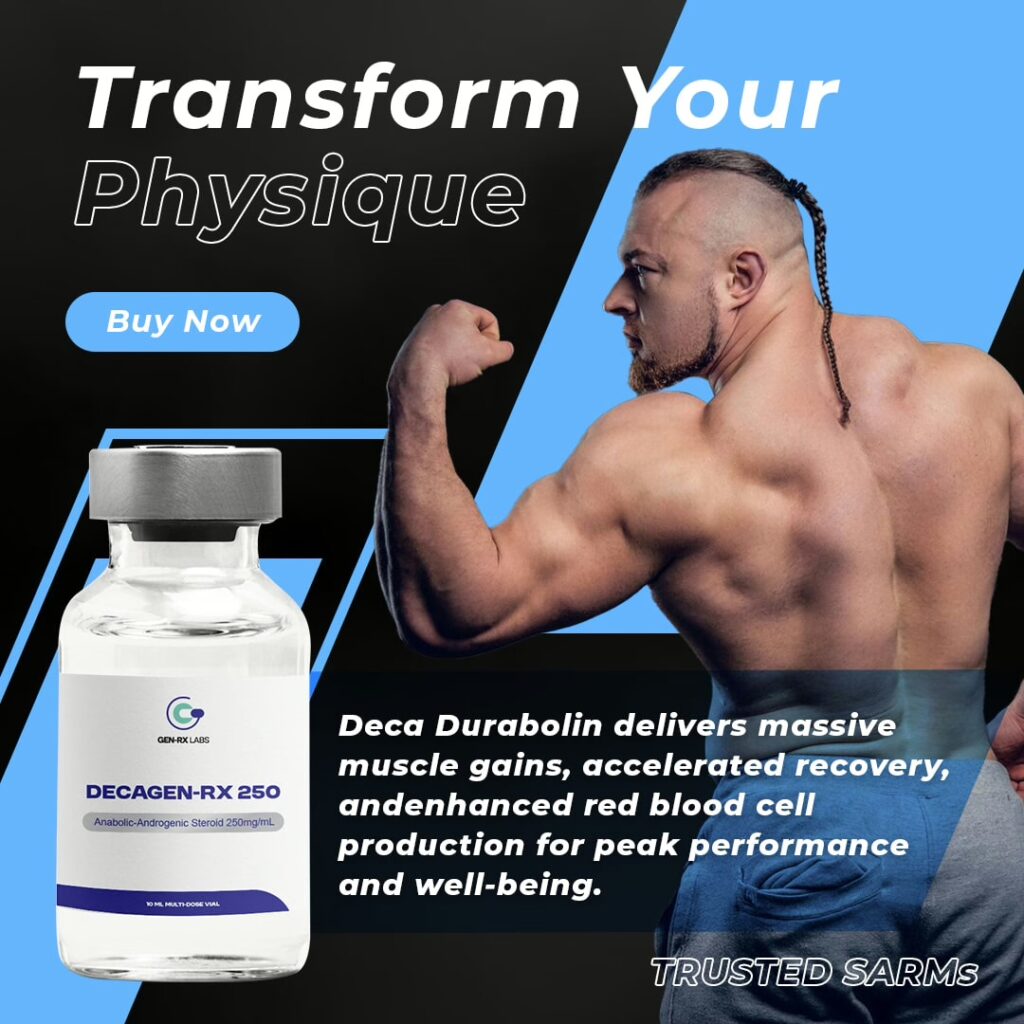
Trusted SARMs – Your Partner for Quality and Performance
When it comes to enhancing your physique and athletic performance, choosing the right supplier is just as important as selecting the right products. Trusted SARMs stands out as a premier Canadian source dedicated to delivering only the highest quality, scientifically backed SARMs and performance-enhancing supplements. With a commitment to transparency, rigorous lab testing, and customer satisfaction, Trusted SARMs ensures that every capsule you receive is pure, potent, and safe.
Whether you are an experienced bodybuilder, an athlete aiming to reach new personal records, or simply someone passionate about fitness, Trusted SARMs supports your journey with products designed for every phase—On-Cycle, Off-Cycle, and Post-Cycle Therapy (PCT). Their extensive network across Canada guarantees convenient access, including bulk orders and regular refill deliveries tailored to your schedule.
By prioritizing quality assurance and scientific precision, Trusted SARMs empowers you to sculpt your dream physique with confidence. Experience the difference of working with a trusted partner where performance truly meets science.
Unlock your potential and elevate your fitness goals with Trusted SARMs—the trusted name in Canadian PEDs and bodybuilding supplements.