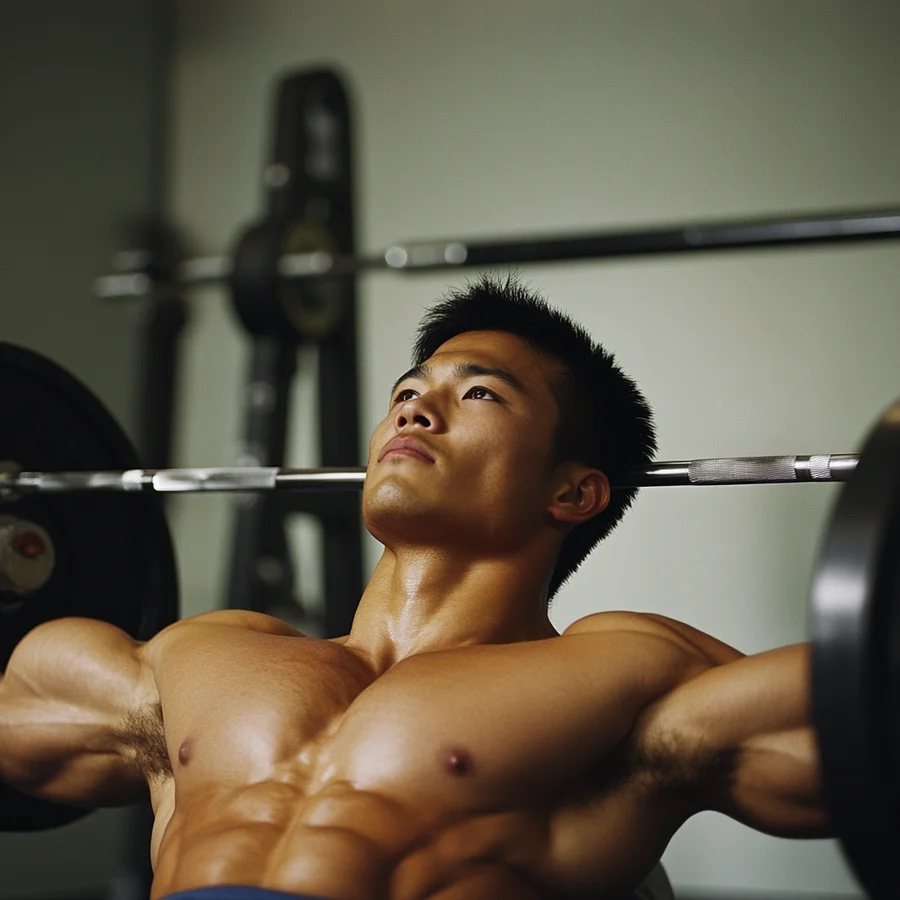
Understanding Peptides and Their Role in Bulking
What Are Peptides?
Peptides are short chains of amino acids, the building blocks of proteins. Unlike larger protein molecules, peptides are small enough to be easily absorbed into the bloodstream, making them more efficient at targeting specific functions in the body, such as muscle growth, fat loss, and recovery. For bulking, peptides play a crucial role in enhancing muscle protein synthesis and increasing growth hormone production.
The beauty of peptides lies in their precision. They work at a cellular level to stimulate particular responses in the body, depending on the type of peptide used. While traditional supplements may be broad-spectrum, peptides offer targeted benefits. For those aiming to bulk up, peptides like CJC-1295 and IGF-1 LR3 offer targeted muscle growth by activating specific pathways in the body that directly contribute to muscle hypertrophy.

How Peptides Differ from Traditional Supplements
Traditional supplements like whey protein or creatine are great for improving performance and recovery, but they primarily support muscle growth indirectly. Peptides, on the other hand, work at a deeper level, directly influencing muscle-building processes in the body. They stimulate the release of growth hormones and enhance cellular repair, making them more effective at promoting lean muscle gains.
To put it simply, if supplements are like fuel for your car, peptides are more like upgrading the car’s engine – they help you perform at a higher level by improving how your body builds muscle in the first place. What sets peptides apart from steroids or other performance enhancers is their natural-like approach. Peptides encourage your body to perform optimally, rather than flooding it with foreign chemicals. This subtle boost leads to fewer side effects and a more sustainable path to muscle gains.
Key Peptides for Bulking
Here’s a quick overview of some of the most popular peptides for bulking:
- CJC-1295: Known for stimulating growth hormone release, CJC-1295 aids in muscle growth, fat loss, and recovery. It is often stacked with other peptides to maximize its anabolic effects. What I love about CJC-1295 is that it doesn’t just help with muscle building but also plays a role in improving skin elasticity and overall well-being.
- GHRP-6: This peptide stimulates appetite and growth hormone secretion, leading to faster muscle gains. It’s great for people who struggle with eating enough during their bulking phase. If you’re someone who loses their appetite after intense workouts, GHRP-6 can be a game-changer by boosting your hunger, ensuring you get those essential calories for growth.
- IGF-1 LR3: IGF-1 LR3 plays a key role in muscle regeneration and hypertrophy, making it a favorite for bodybuilders focused on significant muscle development. This peptide works by mimicking insulin’s effect on muscle cells, encouraging them to absorb more nutrients and grow faster. Think of it as a fast-tracking agent for your muscle fibers, helping them recover and expand more quickly after each workout.
Each of these peptides offers unique benefits for bulking, and when combined in a cycle, they can provide a synergistic effect that leads to impressive muscle gains. Understanding the role of these peptides and how to utilize them effectively will put you on the path to a more successful bulking phase.

The Science Behind Peptides Cycles for Bulking
Peptides work by interacting with receptors in the body, leading to the release of growth hormones that stimulate muscle growth, fat loss, and faster recovery times. When used correctly, peptides enhance the body’s ability to repair muscle tissue, allowing you to train harder and recover faster, all while building lean mass. In essence, peptides work behind the scenes to optimize your body’s natural processes.
Growth Hormone Release and Protein Synthesis
One of the key mechanisms by which peptides aid in bulking is through the stimulation of growth hormone release. Growth hormone (GH) plays a critical role in muscle growth by promoting the production of insulin-like growth factor 1 (IGF-1), a hormone that enhances protein synthesis in muscles. With increased protein synthesis, your body is better equipped to build and repair muscle tissue after intense workouts.
The release of GH also helps break down body fat, making peptides particularly useful during a bulking phase when controlling fat gain is essential. This dual benefit of gaining muscle while shedding fat makes peptides unique compared to traditional anabolic substances, which often lead to unwanted fat accumulation.
Benefits for Athletic Performance
Peptides not only help with muscle growth but also improve overall athletic performance. By enhancing recovery times and reducing muscle fatigue, peptides enable you to push harder during workouts. For example, after starting my peptide cycle, I noticed my recovery between workouts was faster, which allowed me to increase my training volume without feeling worn out. It felt like I could add that extra set or push for those extra reps, knowing that my recovery was on point.
Some peptides, such as GHRP-6, also stimulate appetite, ensuring you consume enough calories to support your bulking goals. Peptides, by influencing recovery and performance, allow athletes to maintain a higher level of training intensity and frequency, which are crucial for progressive overload and muscle growth. Additionally, the fatigue-reducing benefits allow athletes to train harder without hitting the proverbial wall.

Crafting the Optimal Peptides Cycle for Bulking
Creating the perfect peptide cycle can seem daunting at first, but it’s all about finding the right combination of peptides, cycle length, and dosages to match your body’s needs. Here’s how to approach it.
Structuring Your Peptide Cycle
A peptide cycle typically lasts anywhere from 8 to 12 weeks, with breaks in between to allow your body to reset. The cycle length and dosage will vary based on the specific peptides you’re using and your goals. Here’s a general breakdown:
- CJC-1295: Dosage ranges from 100mcg to 200mcg, administered 1-2 times daily. Cycle length: 12 weeks.
- GHRP-6: Dosage ranges from 100mcg to 300mcg, taken 2-3 times daily. Cycle length: 8-12 weeks.
- IGF-1 LR3: Dosage of 50mcg to 100mcg daily, administered post-workout. Cycle length: 8 weeks.
For beginners, it’s recommended to start with lower doses to gauge how your body reacts. More experienced users can gradually increase the dosage to maximize results. Personally, I started with moderate doses of CJC-1295 and GHRP-6, and after seeing positive results with minimal side effects, I gradually increased the dosages.


Managing Potential Side Effects
Peptides are generally considered safer than steroids, but they do come with some potential side effects. These can include water retention, increased hunger, and, in rare cases, joint pain. It’s important to monitor your body’s response to the peptides and adjust dosages as necessary. Some peptides, like GHRP-6, can cause an increase in hunger, which can be beneficial during a bulking phase but may lead to unwanted fat gain if not managed properly.
Always start with lower doses, especially if you’re new to peptides, and gradually increase based on how your body reacts. Personally, I found that when I stuck to the recommended dosages, the side effects were minimal. It’s also a good idea to stay hydrated and maintain a clean diet to mitigate water retention.

Frequently Asked Questions
1. What are the best peptides for bulking?
The best peptides for bulking include CJC-1295, GHRP-6, and IGF-1 LR3. These peptides stimulate growth hormone release and enhance muscle protein synthesis, making them highly effective for muscle growth. When used in combination, they can provide synergistic benefits, helping you build lean muscle more quickly while also improving recovery.
2. How long should I cycle peptides?
Most peptide cycles last between 8 to 12 weeks, followed by a break. Cycling ensures that your body doesn’t become desensitized to the peptides, allowing you to maintain their effectiveness over time. During the break, your body will recover, and you’ll retain the muscle gains achieved during the cycle.
3. Are peptides safer than steroids?
Peptides are generally considered safer than anabolic steroids. They work by stimulating the body’s natural processes, such as growth hormone release, rather than introducing synthetic hormones into the body. However, like any performance-enhancing substance, peptides come with some potential side effects, so it’s essential to use them responsibly and under the guidance of a healthcare professional.
4. Can I stack peptides with other supplements?
Yes, peptides can be stacked with other supplements such as protein powders, creatine, or even anabolic steroids, depending on your goals. When stacking peptides, it’s important to carefully manage dosages and monitor your body’s response to avoid side effects. Combining peptides with a well-balanced diet and training program can maximize your bulking results.
5. Do peptides help with recovery?
Absolutely. One of the significant benefits of peptides is their ability to speed up recovery times. By enhancing cellular repair and reducing muscle fatigue, peptides allow you to train harder and more frequently without experiencing the same level of soreness or exhaustion.

6. Can peptides help with fat loss during bulking?
Yes, certain peptides, such as CJC-1295 and IGF-1 LR3, can help reduce body fat while promoting muscle growth. By stimulating growth hormone release, peptides can improve fat metabolism, making them useful for those who want to minimize fat gain during a bulking phase.
7. Do peptides require injections?
Most peptides are administered via subcutaneous injections. While this might sound intimidating, the injections are relatively simple and are done using a small insulin needle. If you’re uncomfortable with injections, it’s best to consult with a healthcare professional who can guide you through the process.
8. What side effects should I expect from peptides?
Common side effects of peptides can include water retention, increased hunger, and, in some cases, joint pain. Side effects vary depending on the specific peptide used and the dosage. Starting with lower dosages and monitoring your body’s response can help minimize side effects.
9. Can beginners use peptides for bulking?
Yes, beginners can use peptides for bulking, but it’s essential to start with lower dosages and gradually increase as you become more familiar with how your body reacts. Peptides can be a great addition to a beginner’s bulking plan, as they offer muscle growth and recovery benefits with fewer side effects than steroids. However, always consult with a healthcare professional before starting a peptide cycle.