Turning 40 felt like stepping into a whole new chapter of life for me. I started noticing subtle changes — my energy wasn’t what it used to be, recovery after workouts took longer, and building muscle seemed tougher despite all the effort I was putting in. It was frustrating because I had always prided myself on staying fit and strong, but suddenly, my usual routines didn’t deliver the same results.
I began researching and experimenting, trying to understand how aging affects muscle growth and what I could do to counteract those changes. That’s when I discovered how crucial the right supplements for building muscle after 30 and beyond can be. Strategic supplementation and lifestyle adjustments are essential for anyone over 40 who wants to maintain or even build muscle effectively. It’s not just about pushing harder in the gym; it’s about supporting your body’s evolving needs with the right tools.
Over the years, I’ve learned that the key isn’t just in lifting heavier weights or working out more frequently — it’s about smart nutrition, recovery, and targeted supplementation. Especially for those exploring supplements for building muscle after 50, the right approach can counter the effects of hormonal shifts and muscle loss that come with age. Whether you’re a seasoned athlete or someone just starting to take fitness seriously in your 40s and beyond, understanding these essentials can make a significant difference in your progress and overall well-being.
In this guide, I’ll share what I’ve found to be the most effective supplements and strategies to help you build muscle after 40, based on both scientific research and personal experience. Let’s dive in and unlock your body’s true potential together.

Understanding Muscle Building After 40
As we age, building and maintaining muscle becomes more challenging due to a variety of physiological and lifestyle factors. Understanding these changes is crucial to developing an effective muscle-building strategy after 40. Here’s a deeper dive into what happens in the body and why nutrition and exercise play a pivotal role.
Hormonal Changes
Hormones play a significant role in regulating muscle growth, repair, and overall metabolism. After 40, the natural decline in key anabolic hormones affects how effectively the body builds muscle and recovers from exercise. This shift can make it tougher to maintain muscle mass and energy levels without targeted strategies.
- After 40, levels of anabolic hormones such as testosterone and growth hormone naturally decline.
- These hormones are vital for muscle protein synthesis and recovery, so their reduction slows muscle growth.
- In men, testosterone levels drop more significantly, affecting muscle mass, energy, and libido.
- Women experience hormonal fluctuations related to menopause that influence muscle strength, fat distribution, and overall metabolism.
- Lower hormone levels can lead to decreased motivation and energy for training, which also impacts muscle gains.
Anabolic Resistance
Anabolic resistance refers to the reduced sensitivity of muscles to protein intake and exercise stimuli. This phenomenon makes it more difficult for those over 40 to build muscle compared to younger individuals, requiring adjustments in diet and training to overcome it effectively.
- Anabolic resistance means the muscle tissue is less responsive to protein intake and resistance exercise.
- Older adults often require higher quality protein and greater quantities to stimulate muscle growth.
- Muscle protein synthesis is less efficient, leading to slower recovery and harder muscle gains.
- Overcoming anabolic resistance involves consuming leucine-rich proteins and timing protein intake around workouts.
Decrease in Muscle Mass and Strength (Sarcopenia)
Sarcopenia is the progressive loss of muscle mass and strength that comes with aging. It affects physical performance and increases the risk of falls, injuries, and loss of independence if left unmanaged.
- Sarcopenia typically begins around age 30 but accelerates after 40.
- Without intervention, it leads to weakness, decreased mobility, and higher injury risk.
- Fast-twitch muscle fibers responsible for strength and power decrease in size and number.
- Muscle quality and physical performance decline as a result.
Slower Metabolism and Recovery
A slower metabolism and prolonged recovery times are common challenges after 40. These changes can impact energy levels, body composition, and the ability to train consistently without injury.
- Metabolic rate decreases, making it harder to maintain lean muscle and manage fat.
- Cellular repair slows, resulting in longer recovery periods post-exercise.
- Reduced blood flow affects nutrient delivery and waste removal in muscles.
- Prioritizing sleep, stress management, and recovery techniques is vital to counter these effects.
Importance of Nutrition and Exercise
Nutrition and exercise become even more critical after 40 to counterbalance the physiological challenges and support muscle growth. A focused approach can help maintain strength, improve body composition, and enhance overall health.
- Balanced nutrition with sufficient protein combats anabolic resistance.
- Omega-3 fatty acids and antioxidants reduce inflammation and support joint health.
- Strength training promotes muscle protein synthesis, metabolism, and bone density.
- Progressive overload and proper recovery prevent injuries and aid progress.
- A healthy lifestyle, including physical activity and moderated alcohol consumption, complements muscle-building efforts.
By understanding these physiological changes and adjusting your approach accordingly, you can successfully build and maintain muscle after 40 — ensuring strength, vitality, and longevity in your fitness journey.

5 Essential Supplements for Building Muscle After 40
As we age, our bodies require more targeted nutritional support to overcome challenges like hormonal shifts and anabolic resistance. The right supplements can play a crucial role in enhancing muscle growth, strength, and recovery for adults over 40. Here are the most effective options:
1. Protein Supplements
Protein remains the cornerstone of muscle building, especially after 40 when muscle protein synthesis slows down. Consider these points:
- Types of Protein:
- Whey protein: Fast-digesting, ideal post-workout for quick muscle repair.
- Casein protein: Slow-digesting, perfect for sustained protein release, especially before bed.
- Plant-based proteins: Options like pea, rice, and hemp for those with dietary restrictions.
- Collagen: Supports connective tissue health, important for joint and skin integrity.
- Whey protein: Fast-digesting, ideal post-workout for quick muscle repair.
- Recommended Dosages:
- Aim for approximately 1.2 to 2.0 grams of protein per kilogram of body weight daily, adjusted by activity level and goals.
- Distribute protein intake evenly across meals to optimize muscle protein synthesis.
- Aim for approximately 1.2 to 2.0 grams of protein per kilogram of body weight daily, adjusted by activity level and goals.
- Best Protein Sources:
- Lean meats, dairy, legumes, and high-quality protein powders tailored to your dietary preferences and tolerance.
- Lean meats, dairy, legumes, and high-quality protein powders tailored to your dietary preferences and tolerance.
2. Creatine
Creatine is one of the most researched and effective supplements for boosting muscle strength and size, even after 40. Important considerations include:
- Mechanism of Action:
- Enhances ATP production, increasing energy availability for intense workouts.
- Supports muscle cell volumization, contributing to improved strength and muscle mass.
- Enhances ATP production, increasing energy availability for intense workouts.
- Recommended Dosages:
- Loading phase: 20 grams per day split into 4 doses for 5-7 days (optional).
- Maintenance phase: 3-5 grams daily thereafter.
- Loading phase: 20 grams per day split into 4 doses for 5-7 days (optional).
- Safety and Efficacy:
- Creatine is safe for most older adults when taken within recommended dosages.
- Hydration is important to support kidney function during supplementation.
- Creatine is safe for most older adults when taken within recommended dosages.
- Effectiveness After 40:
- Research shows creatine effectively combats age-related muscle loss and improves exercise performance.
- Research shows creatine effectively combats age-related muscle loss and improves exercise performance.

3. Branched-Chain Amino Acids (BCAAs)
BCAAs support muscle recovery and reduce exercise-induced soreness, which can become more pronounced with age. Key points:
- Role in Muscle Recovery:
- Leucine, isoleucine, and valine help stimulate muscle protein synthesis and reduce muscle breakdown.
- Recommended Dosages:
- 5-10 grams before, during, or after workouts to maximize recovery benefits.
4. Omega-3 Fatty Acids
Omega-3s contribute to muscle health by reducing inflammation and supporting joint function. Consider these factors:
- Benefits:
- Help decrease exercise-induced inflammation and muscle soreness.
- Support cardiovascular and joint health, essential for maintaining an active lifestyle.
- Help decrease exercise-induced inflammation and muscle soreness.
- Sources:
- Fish oil supplements are rich in EPA and DHA.
- Plant-based sources include flaxseed and algae oil for those avoiding animal products.
- Fish oil supplements are rich in EPA and DHA.
5. Glutamine
Glutamine supports muscle repair and immune health, which can be beneficial as recovery slows down with age. Important details:
- Role in Recovery:
- Helps replenish amino acid stores and supports gut health.
- Recommended Dosages:
- 5-10 grams daily, preferably post-workout or before bed.
- 5-10 grams daily, preferably post-workout or before bed.
Natural Supplements for Muscle Building
Several natural supplements can complement your regimen by enhancing muscle growth and recovery without synthetic compounds:
- Herbal extracts like ashwagandha and ginseng may support hormonal balance and reduce stress.
- Adaptogens can improve endurance and reduce fatigue, aiding workout performance.
- Plant-based antioxidants such as turmeric and green tea extract help manage inflammation.

Supplements for Specific Demographics
Supplements for Building Muscle After 40 Female
Women over 40 face unique challenges such as declining estrogen levels, which affect muscle mass and bone density. Protein and creatine remain foundational, but supplements supporting joint health, like collagen and omega-3s, become particularly important. Additionally, some women find benefits in adaptogens to balance hormonal fluctuations and manage stress.
Supplements for Building Muscle After 40 Male
For men, maintaining testosterone levels is often a priority. Creatine and protein are essential, and some men explore natural testosterone boosters (with caution and medical guidance). Ensuring adequate zinc, magnesium, and vitamin D supports hormonal health and muscle function.
Supplements to Avoid or Use with Caution
Stimulants and Pre-Workout Supplements
Many pre-workout formulas contain high doses of caffeine and other stimulants, which can increase heart rate and blood pressure. Older adults should approach these products cautiously to avoid adverse effects such as anxiety, insomnia, or cardiovascular strain.
Unregulated Supplements
The supplement market is flooded with products that lack transparency or scientific backing. Choosing reputable brands that provide third-party lab testing guarantees product purity and safety.
Over-Supplementation
Taking multiple supplements without considering interactions or cumulative dosages can lead to health risks. Prioritize essentials first and build your regimen gradually under professional supervision.

Lifestyle Factors That Complement Supplementation
Building muscle after 40 isn’t just about the supplements you take—it’s equally about how you support your body through nutrition, exercise, and recovery. These lifestyle factors work hand-in-hand with supplementation to maximize muscle growth and overall health.
Nutrition
Proper nutrition forms the foundation of muscle building at any age, but it’s especially important after 40 when your body’s metabolism and nutrient absorption can change. Focus on:
- A balanced diet rich in whole foods, including lean proteins, complex carbohydrates, and healthy fats.
- Prioritizing high-quality protein sources such as chicken, fish, legumes, and dairy to support muscle repair and growth.
- Maintaining adequate calorie intake to fuel workouts and recovery without excessive fat gain.
- Paying attention to micronutrients like vitamins D and B12, magnesium, and zinc, which support muscle function and energy metabolism.
Exercise
Strength training remains the most effective way to combat age-related muscle loss and promote anabolic sensitivity. For adults over 40, consider:
- Engaging in regular resistance training 3-4 times per week, focusing on compound movements like squats, deadlifts, and presses that recruit multiple muscle groups.
- Incorporating moderate-intensity high-intensity interval training (HIIT) to enhance cardiovascular health and aid fat loss without compromising muscle mass.
- Allowing time for proper warm-ups and mobility work to prevent injury and maintain joint health.
- Listening to your body and adjusting intensity or volume as needed to avoid overtraining.
Recovery
Muscle growth happens outside the gym, so recovery is critical—especially as recovery times tend to increase with age. Key recovery strategies include:
- Prioritizing 7-9 hours of quality sleep per night to optimize hormone production, muscle repair, and cognitive function.
- Staying well-hydrated throughout the day to support cellular function and nutrient transport.
- Managing stress through techniques such as mindfulness, meditation, or gentle yoga to minimize cortisol levels, which can interfere with muscle growth.
- Using active recovery methods like light walking, stretching, or massage to promote blood flow and reduce muscle soreness.
By combining these lifestyle factors with effective supplementation, you create a holistic approach to building muscle that is sustainable and safe for adults over 40. Remember, consistency in nutrition, exercise, and recovery is the key to long-term success.
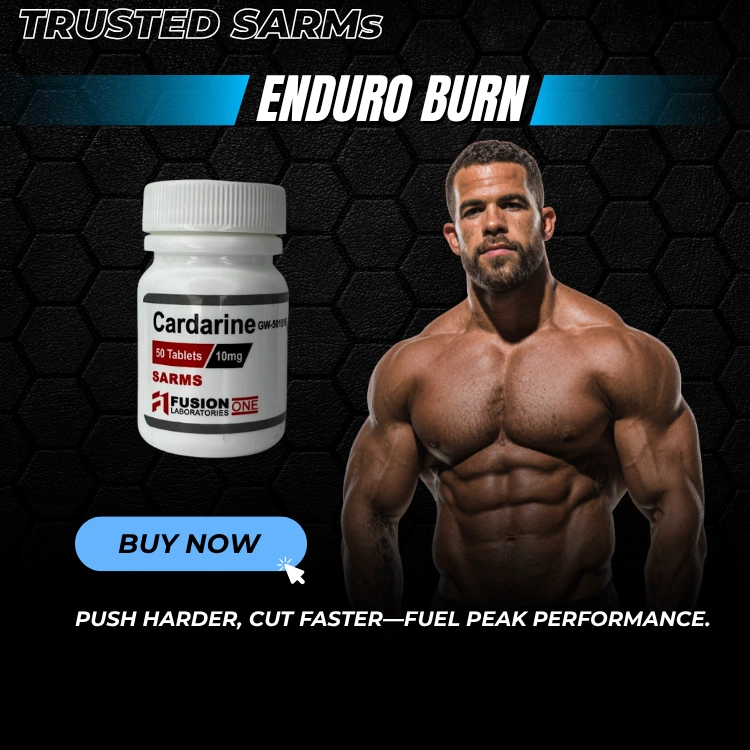
Your Muscle-Building Journey After 40 Starts with Trusted SARMs
Building muscle after 40 presents unique challenges due to natural hormonal shifts, anabolic resistance, and changes in recovery capacity. However, with the right approach—including effective supplementation, proper nutrition, consistent strength training, and adequate recovery—you can maintain and even enhance your muscle mass and overall fitness well into your later years.
Key supplements such as high-quality protein powders, creatine, BCAAs, omega-3 fatty acids, and recovery-supporting nutrients can make a significant difference when paired with a balanced lifestyle. It’s equally important to avoid risky supplements, particularly unregulated products or excessive stimulant use, which can undermine your progress and health.
Trusted SARMs offers a wide range of rigorously tested supplements to support your fitness goals safely and effectively. Whether you are an athlete, a bodybuilder, or simply focused on building strength after 40, Trusted SARMs provides quality products designed to help you unlock your full potential.
Before beginning any new supplement regimen, especially as you age, consulting with a healthcare provider is essential to tailor your plan to your individual needs. By combining professional guidance with the right supplements and lifestyle choices, you can confidently take steps toward stronger muscles, better health, and improved vitality.
Start your muscle-building journey today with Trusted SARMs and experience the difference that quality, research-backed products can make in achieving your fitness goals after 40.