Imagine you’re at the gym, pushing your limits, and suddenly—ouch! You’ve overdone it, and now you’re dealing with a muscle tear. Muscle tears happen when muscle fibers are overstretched or torn due to intense physical activities like bodybuilding or a super enthusiastic dance-off. These injuries can be a real pain (literally), but don’t worry, we’re here to help you understand what muscle tears are and how to handle them.
Why should you care about treating a muscle tear the right way? Well, improper treatment can lead to long-term issues like chronic pain, reduced mobility, and even more injuries down the line. It’s like ignoring a small leak in your roof—eventually, it’s going to turn into a big, expensive problem. Getting the right treatment early on can make a world of difference, helping you bounce back faster and stronger.
So, what’s the plan here? This guide is your ultimate resource for tackling muscle tears head-on. We’ll walk you through everything you need to know—from identifying the symptoms to the best immediate actions, medical treatments, and even some awesome home remedies. Plus, we’ll share tips on how to speed up muscle strain recovery time and prevent future muscle tears, so you can keep doing what you love without any setbacks.
Understanding Muscle Tears
A. Types of Muscle Tears
First off, let’s break down the types of muscle tears. They come in three grades, and knowing which one you’re dealing with can help you figure out the best treatment plan:
- Grade I (Mild): This is like a minor fender bender for your muscles. It affects a small number of fibers and causes mild pain and slight swelling. You’ll feel a bit sore, but it won’t knock you out of commission.
- Grade II (Moderate): This one’s more serious—a partial tear of the muscle. Expect more significant pain, noticeable swelling, and some bruising. You’ll also experience muscle weakness and have a harder time using the affected muscle.
- Grade III (Severe): The big kahuna of muscle tears. This is a complete rupture of the muscle, leading to severe pain, extensive swelling, and major bruising. The muscle will be significantly weakened or completely non-functional.
B. Symptoms of Muscle Tears
Wondering if you’ve got a muscle tear? Here are the telltale signs:
- Pain: You’ll feel immediate and sharp pain at the injury site. It’s not just a dull ache; it’s more like a sudden jab.
- Swelling: The area around the tear will swell up pretty quickly. This is your body’s way of protecting the injured muscle.
- Bruising: Expect some colorful bruising due to internal bleeding. It might look worse than it feels.
- Weakness: Your muscle will feel weaker and might not function properly. Lifting or moving might become a challenge.
- Tenderness: The injured area will be sensitive to touch. Even light pressure can cause discomfort.
C. Muscle Tear vs. Pulled Muscle
Let’s clear up some confusion. A muscle tear and a pulled muscle in leg treatment (or muscle strain) aren’t exactly the same. A pulled muscle is a less severe injury where the muscle is overstretched but not torn. It’s like your muscle’s way of saying, “Hey, take it easy!” The symptoms are similar but milder than a muscle tear. Getting a proper diagnosis is key to effective treatment.
Immediate Actions Post-Injury
A. The R.I.C.E. Protocol
When you first get a muscle tear, think R.I.C.E.—not the food, but the protocol! Here’s what you should do:
- Rest: Give that muscle a break. Avoid using it to prevent further damage. Kick back, relax, and let your body start the muscle tear healing process.
- Ice: Apply ice packs to the injured area for 15-20 minutes every 1-2 hours. This helps reduce swelling and numb the pain. Just make sure to wrap the ice pack in a towel to protect your skin.
- Compression: Use an elastic bandage to compress the area. This minimizes swelling and provides support to the injured muscle. Don’t wrap it too tightly—just enough to feel snug.
- Elevation: Keep the injured muscle elevated above heart level. This helps reduce swelling by allowing fluids to drain away from the injury site.
B. Avoiding H.A.R.M.
In the first 48 hours after a muscle tear, steer clear of H.A.R.M.:
- Heat: Avoid applying heat to the injured area. Heat can increase swelling and inflammation, making things worse.
- Alcohol: Skip the celebratory drinks. Alcohol can increase bleeding and swelling, which is the last thing you need.
- Running: Stay off the injured muscle. Running or any physical activity can aggravate the injury and delay healing.
- Massage: As tempting as it might be, avoid massaging the injured area. It can worsen the damage and increase swelling.
Medical Treatment Options
A. Over-the-Counter Medications
Dealing with the pain? Over-the-counter (OTC) medications can be your best friends:
- NSAIDs: Nonsteroidal anti-inflammatory drugs like ibuprofen and naproxen can help reduce pain and inflammation. They’re great for managing those annoying aches.
- Acetaminophen: This pain reliever can also be effective, especially if you can’t take NSAIDs. It’s easier on the stomach but won’t help with inflammation as much.
- Topical Treatments: Gels and creams containing menthol or capsaicin can provide localized pain relief. They’re perfect for those times when you need to target a specific area.
B. How Doctors Treat Muscle Tears
When it’s time to call in the pros, here’s what doctors might do:
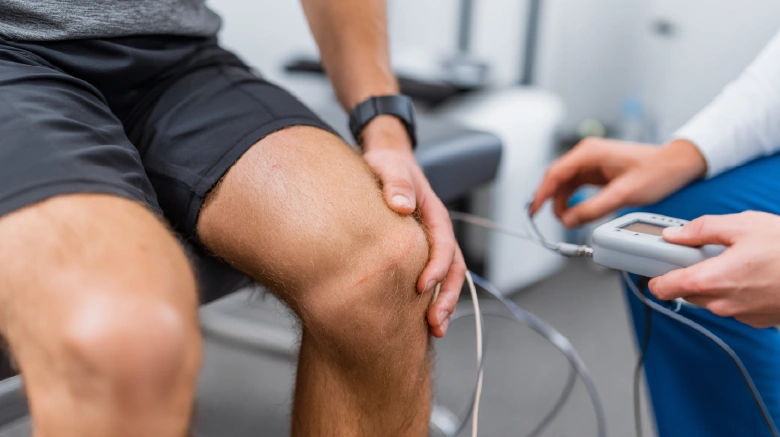
- Imaging Tests: X-rays, MRIs, or ultrasounds can help pinpoint the extent of the tear. These tests provide a detailed look at the injured muscle.
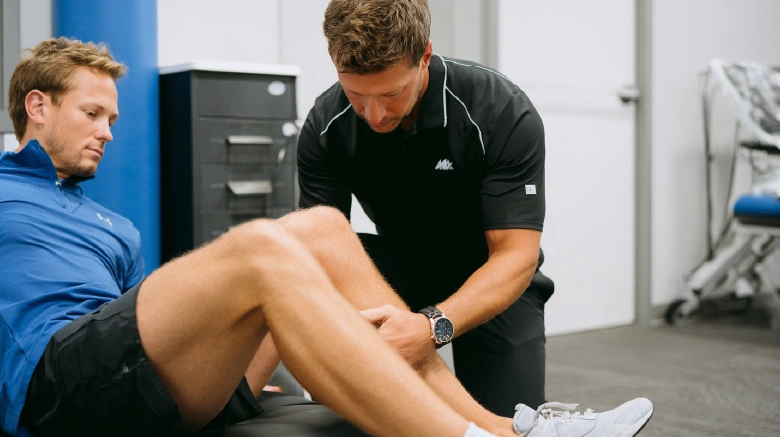
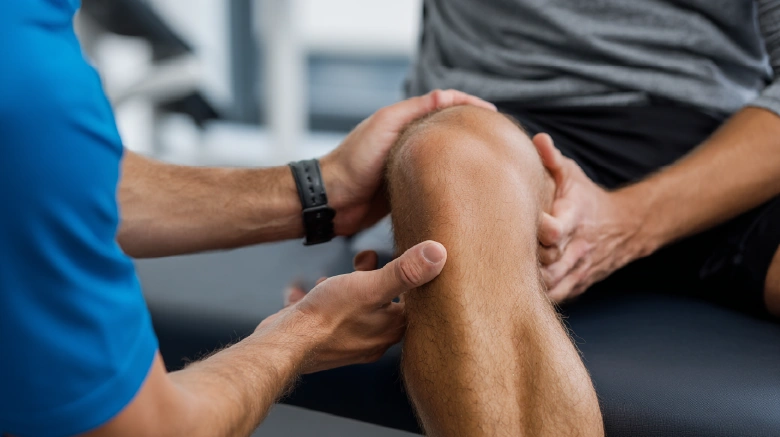
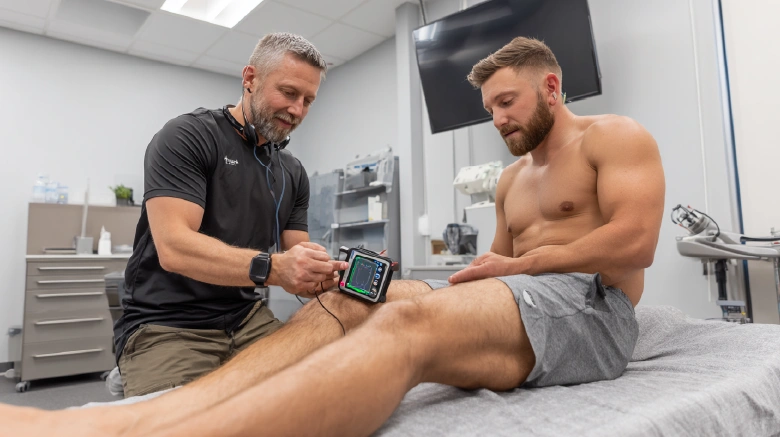
- Physical Exams: Your doctor will perform a physical exam to assess the injury. They’ll check for pain, swelling, and range of motion.
- Surgical Interventions: In severe cases (Grade III), surgery might be necessary to repair the torn muscle recovery. This is usually a last resort, but it’s effective for serious tears.
C. Can a Muscle Tear Heal on Its Own?
Wondering if you can just wait it out? Some muscle tears can heal on their own, especially mild ones. Your body has an amazing ability to repair itself, but more severe tears might need medical intervention. Always consult with a healthcare professional to determine the best course of action for your specific injury.

Rehabilitation and Physical Therapy
A. Initial Rest and Muscle Tear Recovery
After the initial treatment phase, rest is still crucial. Here’s what to expect:
- Grade I Tears: These typically need a few days to a week of rest. You’ll likely be back to your regular activities in no time.
- Grade II Tears: These require more downtime—think a few weeks. You’ll need to be patient and let your body heal properly.
- Grade III Tears: Severe tears need significant rest, often several months. Follow your doctor’s advice to avoid complications.
B. Physical Therapy Exercises
Once you’re ready, physical therapy can help you get back on track. Here’s a breakdown:
- Stretching: Gentle stretching exercises can help improve flexibility and reduce stiffness. Start slow and gradually increase the intensity.
- Strengthening: Focus on exercises that target the injured muscle. Light weights and resistance bands are great tools for rebuilding strength.
- Mobility: Incorporate exercises that improve your range of motion. This helps ensure that your muscle heals properly and functions well.
C. Progression and Monitoring
Gradually increasing your activity levels is key. Here’s how to do it:
- Start Slow: Begin with low-impact activities and slowly build up to more intense workouts. Listen to your body and avoid pushing too hard too soon.
- Monitor Progress: Keep track of your recovery with regular check-ins. Note any pain or discomfort and adjust your exercises accordingly.
- Avoid Re-Injury: Be mindful of your limits. Overdoing it can lead to setbacks, so take it easy and give your muscle the time it needs to heal fully.
Speeding Up Muscle Tear Recovery
A. Advanced Treatment Options
Sometimes, you need a little extra help to speed up recovery. Here are some advanced treatments:
- Platelet-Rich Plasma (PRP) Therapy: PRP therapy involves injecting a concentration of your own platelets into the injured area. This can boost healing by promoting tissue regeneration. It’s like giving your muscle a supercharged healing boost.
- Stem Cell Therapy: Stem cells can develop into different types of cells, including muscle cells. This therapy can aid in muscle repair and recovery by regenerating damaged tissue. It’s an exciting option for those looking for cutting-edge treatments.
- Surgical Interventions: In severe cases, surgery might be necessary to repair the torn muscle. This is usually reserved for Grade III tears and involves stitching the muscle back together. Recovery from surgery will also require physical therapy and careful monitoring.
B. Nutrition and Supplements for Recovery
What you eat and the supplements you take can play a huge role in your recovery:
- Importance of Diet: A balanced diet rich in protein, vitamins, and minerals supports muscle repair. Protein is particularly important as it provides the building blocks for muscle regeneration.
- Recommended Supplements: Certain supplements can speed up recovery. Amino acids help repair muscle tissue, omega-3 fatty acids reduce inflammation, and anti-inflammatory supplements like turmeric can aid in healing. Always consult with a healthcare provider before starting any new supplement regimen.
Muscle Strain Treatment at Home
A. Muscle Tear Home Remedies and Techniques
There are plenty of effective home remedies to help you manage muscle strains:
- Heat and Cold Therapy: Alternate between heat and cold packs. Cold reduces swelling and numbs pain, while heat increases blood flow and relaxes muscles. Use cold therapy in the first 48 hours, then switch to heat.
- Gentle Stretching: Light stretching can help maintain flexibility and prevent stiffness. Be gentle and avoid pushing through pain.
- Over-the-Counter Medications: OTC pain relievers like ibuprofen can manage pain and reduce inflammation. Follow the dosage instructions and consult with a healthcare provider if needed.
B. Signs of a Pulled Muscle in Leg and Pulled Muscle Treatment
Here’s what to look out for if you think you’ve pulled a muscle in your leg:
- Pain: Sharp or aching pain in the affected area. It might be more noticeable when you move or put weight on the leg.
- Swelling: Swelling around the injured muscle. This can make the leg feel stiff and uncomfortable.
- Tenderness: Sensitivity to touch. Even light pressure can cause discomfort. Resting and using the R.I.C.E. protocol can help manage these torn muscle symptoms.
Preventing Future Muscle Tears
A. Proper Warm-Up Techniques
Warming up before workouts is crucial for injury prevention:
- Dynamic Stretching: Incorporate dynamic stretches that mimic the movements you’ll be doing in your workout. This prepares your muscles and increases blood flow.
- Gradual Intensity: Start with low-intensity activities and gradually increase the intensity. This helps your muscles adjust and reduces the risk of injury.
- Joint Mobility: Include exercises that improve joint mobility. Flexible joints can better handle the stresses of intense workouts.
B. Strength Training and Flexibility
Building strength and flexibility can help prevent muscle tears:
- Regular Strength Training: Focus on strengthening all major muscle groups. Balanced strength reduces the risk of muscle imbalances and injuries.
- Flexibility Exercises: Incorporate stretching routines into your workouts. Flexible muscles are less likely to tear.
- Core Stability: Strengthen your core muscles. A strong core supports overall body mechanics and reduces strain on other muscles.
C. Ergonomic Adjustments
Making ergonomic adjustments in your daily life can reduce the risk of muscle tears:
- Proper Posture: Maintain good posture when sitting, standing, and lifting. This reduces strain on your muscles and prevents injuries.
- Ergonomic Tools: Use ergonomic tools and furniture, like chairs with proper lumbar support and adjustable desks. These can help maintain proper alignment and reduce muscle strain.
- Breaks and Movement: Take regular breaks to move and stretch, especially if you have a sedentary job. Staying active throughout the day can prevent stiffness and muscle injuries.
Frequently Asked Questions
1. How long does a muscle tear take to heal?
The healing time for a muscle tear depends on the severity. Mild (Grade I) tears can heal in a few days to a week, moderate (Grade II) tears may take several weeks, and severe (Grade III) tears can take several months. Following the R.I.C.E. protocol and any prescribed treatments can help speed up recovery.
2. Can a muscle tear heal on its own without medical intervention?
Some mild muscle tears can heal on their own with proper rest, non-surgical muscle tear treatment, and home care. However, moderate to severe tears often require medical intervention to ensure proper healing and prevent complications. Always consult a healthcare professional for an accurate diagnosis and treatment plan.
3. What are the risks of not treating a muscle tear properly?
Ignoring or inadequately treating a muscle tear can lead to chronic pain, reduced mobility, and an increased risk of re-injury. In severe cases, untreated muscle tears can result in permanent muscle weakness and functional impairments. Proper treatment is essential for full recovery.
4. Is it safe to exercise with a muscle tear?
It’s important to rest and avoid strenuous activities that stress the injured muscle. Light, gentle exercises might be recommended during the later stages of recovery, but always follow your healthcare provider’s advice to avoid aggravating the injury.
5. How can I prevent future muscle tears?
Preventing muscle tears involves proper warm-up techniques, regular strength training, flexibility exercises, and maintaining good posture. Ergonomic adjustments in daily activities and using proper form during workouts can also reduce the risk of muscle tears.

6. What should I do if I suspect a muscle tear?
If you suspect a muscle tear, immediately stop any activity that could worsen the injury. Follow the R.I.C.E. protocol and avoid H.A.R.M. principles. Seek medical attention for a proper diagnosis and treatment plan.
7. Can I use heat therapy for a muscle tear?
Heat therapy can be beneficial after the initial 48 hours post-injury. Initially, use ice to reduce swelling. After the acute phase, applying heat can increase blood flow and relax the muscles, aiding in recovery.
8. Are there any supplements that can help with muscle tear recovery?
Yes, supplements like amino acids, omega-3 fatty acids, and anti-inflammatory supplements can aid in muscle repair and reduce inflammation. Always consult with a healthcare provider before starting any new supplement regimen.
9. What are the symptoms of a severe muscle tear?
Severe muscle tears (Grade III) are characterized by intense pain, significant swelling, extensive bruising, and complete muscle weakness or non-functionality. Immediate medical attention is required for proper treatment and recovery.
10. How can muscle tear physical therapy help with muscle tear recovery?
Physical therapy provides structured exercises and techniques to improve flexibility, strength, and mobility. A physical therapist can tailor a rehabilitation program to your specific injury, helping you recover safely and effectively while minimizing the risk of re-injury.
Avoid The Pains of Muscle Tear With Trusted SARMs
To wrap things up and to finally answer the question “How to treat a muscle tear?”, let’s recap the main points for effective muscle tear treatment. We’ve covered the different types of muscle tears, muscle tear symptoms, and immediate actions to take. You’ve learned about medical treatments, rehabilitation exercises, and advanced options like PRP and stem cell therapy. Plus, we’ve shared home remedies, prevention tips, and the importance of proper nutrition and supplements.
Dealing with a muscle tear can be frustrating, but remember, recovery is possible with the right approach. Stay patient, follow the recommended treatment protocols, and listen to your body. With time and care, you’ll be back to your regular activities stronger than ever. Keep these tips in mind, stay motivated, and take it one step at a time.
Looking for supplements to support your recovery? Explore the trusted options at Trusted SARMs to complement your healing process and help you come back stronger than ever. Start your journey to recovery with confidence today.