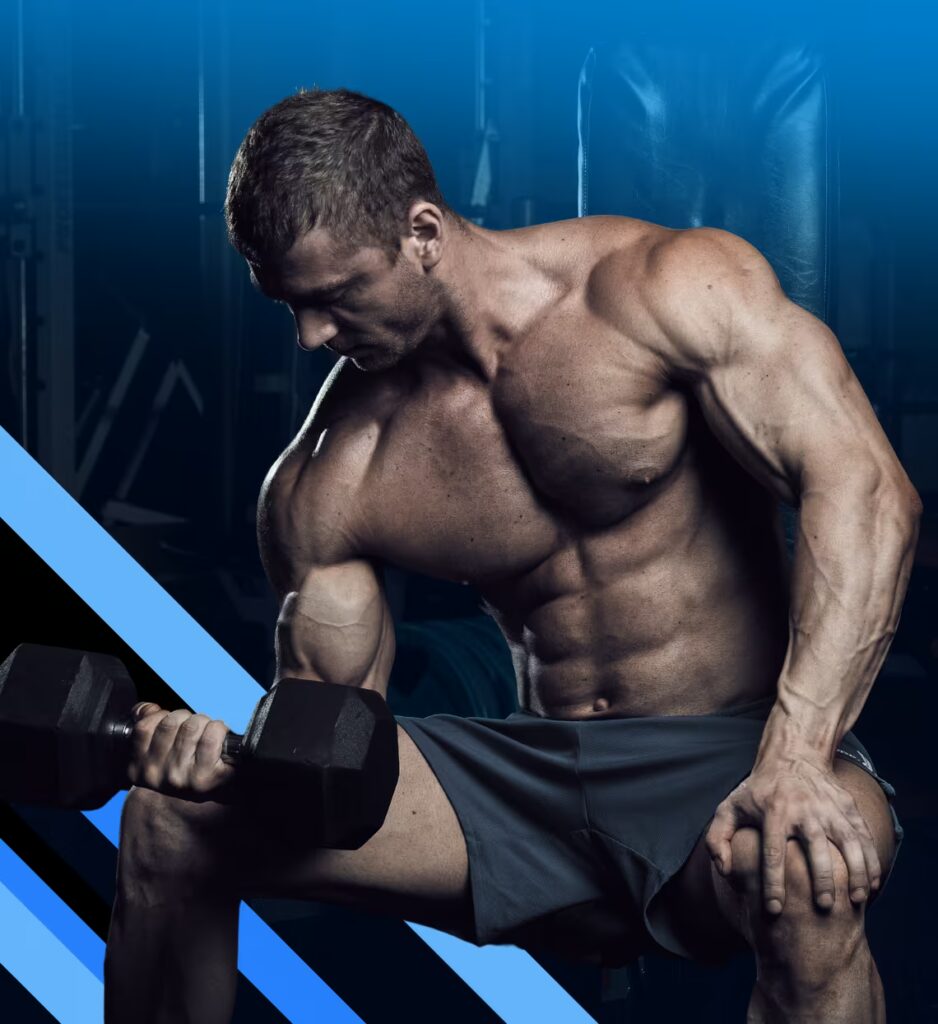
Let’s talk about growth failure—a term that might sound a bit scary, but is super important to understand. In the world of athletics, growth failure refers to hitting a plateau in muscle development, strength gains, or overall performance. It’s kind of like building up momentum on a treadmill, only to suddenly hit a wall and get stuck in the same spot, no matter how hard you keep pushing.
I remember the first time I experienced growth failure in my own training. I was crushing it in the gym, adding weight to the bar every week and seeing noticeable changes in my physique. But then, out of nowhere, I hit a wall. No matter how hard I trained or how much I ate, I just couldn’t seem to break through that plateau. It was super frustrating, and I’ll admit, I even thought about throwing in the towel for a bit.
But then I dug a little deeper, did some research, and realized that growth failure is a pretty common occurrence, even for the most seasoned athletes and bodybuilders. The key is understanding what causes growth failure and having the right strategies to overcome it.
See, the human body is an incredible machine, but it’s also pretty darn clever. When it senses that you’re continuously pushing it to new limits, it responds by adapting and getting stronger. But eventually, it gets comfortable with those adaptations, and that’s when the growth starts to slow down or even stop altogether.
There are a bunch of factors that can contribute to growth failure, from training volume and intensity, to nutrition, recovery, and even stress levels. And that’s why it’s so important to constantly evaluate and adjust your approach, rather than just trying to power through the plateau.
In this article, we’re going to dive deep into the science behind growth failure, exploring the common causes and providing you with practical, actionable strategies to overcome them. Whether you’re an athlete looking to take your performance to the next level, a bodybuilder chasing bigger gains, or just someone who wants to keep making progress in the gym, these tips are going to be game-changers.


Training Missteps
A. Overtraining
Believe it or not, more isn’t always better. Overtraining can lead to fatigue, injuries, and ultimately, growth failure. It’s important to find the right balance between working hard and giving your body the rest it needs to recover and grow.
B. Inadequate Training Regimes
If your training program lacks variety, proper intensity, or good periodization, you might not be getting the most out of your workouts. Effective training should challenge your muscles in different ways and progressively increase in intensity.
C. Recovery Negligence
Recovery is where the magic happens. Your muscles need time to repair and grow stronger after workouts. Skipping rest days, not getting enough sleep, or neglecting recovery strategies like stretching and foam rolling can stall your progress.
Psychological Factors
1. Stress and Mental Health
Mental health and stress levels can significantly impact physical performance. High stress can increase cortisol levels, leading to muscle breakdown and hindered growth. Finding ways to manage stress, whether through relaxation techniques, hobbies, or talking to a professional, can make a big difference.
2. Motivation and Burnout
Staying motivated is crucial for long-term success. However, pushing yourself too hard without breaks can lead to burnout, making it hard to stick to your training plan. Keeping your workouts fun and varied, setting realistic goals, and allowing yourself some downtime can help keep your motivation high.


Frequently Asked Questions
1. What is growth failure in athletics?
Growth failure in athletics refers to hitting a plateau where progress in muscle development, strength gains, or performance improvements stalls. This can happen due to a variety of factors including genetics, nutrition, training mistakes, and psychological influences. Understanding these factors can help athletes and fitness enthusiasts develop strategies to overcome these barriers and continue progressing.
2. How do genetics affect muscle growth?
Genetics play a significant role in determining an individual’s potential for muscle growth and overall athletic performance. Some people have a natural advantage with muscle fiber composition, metabolism, and hormone levels that favor muscle growth. However, even if you don’t have the ideal genetics, you can still make significant progress with the right training and nutrition plan tailored to your body’s needs.
3. What role do hormones play in athletic performance?
Hormones like growth hormone, testosterone, and cortisol are crucial for muscle growth and athletic performance. Growth hormone and testosterone promote muscle growth and repair, while cortisol, the stress hormone, can break down muscle tissue when levels are too high. Maintaining a hormonal balance through proper nutrition, training, and stress management is essential for optimal performance and growth.
4. Why is adequate caloric intake important for growth?
Adequate caloric intake is vital for providing the energy your body needs to build and repair muscle. If you’re not consuming enough calories, your body won’t have the necessary fuel to support muscle growth and overall performance. Calculating your caloric needs and ensuring you’re eating a balanced diet can help you achieve your growth goals.
5. How can poor macronutrient ratios impact growth?
Poor macronutrient ratios can hinder muscle growth and performance. Protein is essential for muscle repair, carbohydrates provide the energy needed for intense workouts, and healthy fats support overall health. An unbalanced diet can lead to insufficient energy and nutrients for optimal growth. Ensuring you have the right balance of macronutrients is key to successful bulking.

6. What are the signs of overtraining?
Signs of overtraining include persistent fatigue, decreased performance, frequent injuries, irritability, and difficulty sleeping. Overtraining occurs when you don’t give your body enough time to recover between workouts. Balancing intense training with adequate rest and recovery is crucial to avoid overtraining and support continuous growth.
7. How can psychological factors affect athletic growth?
Psychological factors such as stress and mental health can significantly impact physical performance and growth. High stress levels can increase cortisol, which can break down muscle tissue and hinder growth. Additionally, motivation and burnout can affect your training consistency and intensity. Managing stress and maintaining a positive mindset are important for sustained growth.
8. Why is recovery important for muscle growth?
Recovery is where muscle growth actually happens. During rest, your muscles repair and grow stronger. Without proper recovery, you risk overtraining, injuries, and stalled progress. Prioritizing rest days, getting enough sleep, and using recovery techniques like stretching and foam rolling can help maximize your gains.
9. How can supplements support athletic growth?
Supplements can help fill nutritional gaps and support muscle growth and recovery. Protein powders, creatine, and vitamins are commonly used to enhance performance and muscle gains. However, they should be used to complement a balanced diet and not as a replacement. Always follow guidelines and consult with professionals when using supplements.
10. What are SARMs and how can they help with growth?
SARMs (Selective Androgen Receptor Modulators) are compounds that can help with muscle growth and recovery by targeting specific androgen receptors in the body. They can be a useful tool for overcoming growth barriers, but it’s important to use them responsibly and under professional guidance to avoid potential side effects. Exploring SARMs from reputable brands can provide additional support for your growth goals.