
Tendon pain creeping up the outside of your elbow can feel like a betrayal. One day, you’re hitting your curls and presses with confidence, and the next, even gripping a dumbbell sends sharp reminders that your elbow isn’t playing along. For bodybuilders, this kind of tennis elbow isn’t just annoying—it threatens weeks of training, slows muscle growth, and can even shake your confidence in the gym. Every rep becomes a negotiation with your body, and consistency—the cornerstone of any serious lifter—starts to feel like a luxury rather than a given.
The truth is, tendon injuries are stubborn. They linger, flare up unexpectedly, and can turn a small discomfort into a chronic problem if left unchecked. Painkillers might dull the sensation, but they don’t rebuild the tendon, restore mobility, or strengthen the area for long-term performance. What’s needed is a smart, science-backed solution that accelerates healing while supporting your body’s natural repair systems.
Enter BPC-157, a peptide that has been quietly transforming recovery strategies in the fitness and integrative medicine world. With its ability to promote tissue repair, reduce inflammation, and enhance collagen synthesis, BPC-157 gives bodybuilders a way to tackle tennis elbow at the source rather than just masking the pain. Combined with other therapies like physical therapy, PRP injections, shockwave therapy, and targeted nutrition, it forms a comprehensive approach that helps you recover faster, train smarter, and protect your joints for the long haul.
This article explores how BPC-157 works for tennis elbow, how to integrate it with complementary treatments, and what real-life athletes are experiencing in terms of faster recovery, improved tendon health, and uninterrupted training progress. By the end, you’ll see why combining therapies—including this powerful peptide—could be the smartest move for keeping your elbows strong, your lifts heavy, and your gains on track.
Understanding Tennis Elbow: What The Hell Is It?
Tennis elbow, or lateral epicondylitis, might sound like a problem reserved for racket sports enthusiasts, but in reality, bodybuilders and weightlifters are prime candidates for this stubborn tendon injury. It’s the kind of pain that sneaks up gradually, almost unnoticeably at first, until suddenly, simple exercises like curls, presses, or even gripping a dumbbell become uncomfortable—or downright painful. You might even catch yourself adjusting your form without realizing it, trying to “cheat” around the discomfort, which only increases stress on other muscles and joints.
At its core, tennis elbow is caused by overuse and microtears in the tendons that attach your forearm muscles to the outside of your elbow. These tendons are responsible for extending your wrist and fingers, which means nearly every lifting movement—from dumbbell curls to bench presses—relies on their proper function. Repetitive stress, heavy gripping, and high-volume training can create tiny injuries that accumulate over time. Left unchecked, this can progress from a minor annoyance to a persistent problem that limits performance and training consistency.
Common symptoms include:
- Sharp or burning pain on the outside of the elbow, especially during lifting or gripping motions.
- Weakness in the forearm, making it harder to hold weights or complete controlled movements.
- Tenderness and swelling around the elbow joint, sometimes radiating down the forearm.
Pain that worsens with repetitive exercises like bicep curls, hammer curls, or even push-ups.

One of the tricky aspects of tennis elbow is how gradual and deceptive it can be. Many bodybuilders push through the early discomfort, thinking it’s just muscle fatigue or delayed soreness, but what seems minor at first can lead to chronic tendon inflammation if training continues without proper intervention. Over time, compensating for the pain by adjusting your form can also create secondary injuries, such as wrist strains or shoulder impingements, making recovery even more complicated.
Several factors increase the risk for tennis elbow in lifters:
- Overtraining without sufficient rest: High-frequency workouts with heavy loads give tendons little chance to recover.
- Improper technique: Small deviations in grip, wrist alignment, or elbow positioning can stress tendons repeatedly.
- Volume and intensity spikes: Sudden increases in weight, reps, or workout frequency can overload the tendon tissue.
- Neglecting supportive exercises: Failing to strengthen the forearm, wrist, and stabilizing muscles can leave the tendons vulnerable.
Understanding tennis elbow isn’t just about knowing the anatomy—it’s about recognizing how your training habits interact with your body. By spotting the early signs, adjusting routines, and incorporating supportive strategies like targeted exercises, recovery protocols, and peptides like BPC-157, you can stop tendon pain in its tracks and prevent it from becoming a chronic setback.
Ultimately, treating tennis elbow in bodybuilders isn’t just about “getting rid of pain”; it’s about restoring full function, protecting your tendons, and maintaining the consistency and intensity of your training. With the right approach, you can keep pushing your limits without letting elbow issues slow you down.
Why BPC-157 Has Become a Go-To Peptide for Tennis Elbow
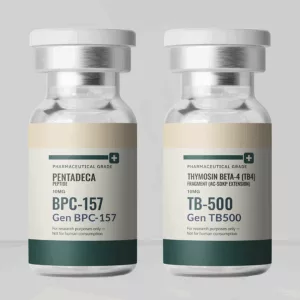
BPC-157 is a peptide derived from gastric juice that has been studied for its ability to accelerate tissue repair and reduce inflammation. But how does it work specifically for tennis elbow?
Mechanism of Action
BPC-157 promotes:
- Angiogenesis, or the formation of new blood vessels, to improve nutrient delivery to injured tendons
- Collagen synthesis, which strengthens and repairs tendon fibers
- Inflammation reduction, helping manage pain while supporting natural healing processes
This combination allows BPC-157 to address the root cause of tendon injuries, rather than just masking the pain like traditional treatments.
Benefits for Tennis Elbow
For bodybuilders dealing with elbow tendonitis, BPC-157 can:
- Reduce pain and discomfort, allowing for more consistent training
- Accelerate recovery timelines compared to conventional methods
- Improve tendon strength, reducing the risk of recurring injuries
Many athletes notice improvements in pain and mobility within 7–14 days when combining BPC-157 with smart rehabilitation practices.

How Combining BPC-157 With Therapy and Nutrition Can Supercharge Your Recovery
Using BPC-157 on its own is effective, but integrating it with other proven treatments can make recovery even faster and more sustainable.
Physical Therapy
Rehabilitation exercises help retrain the forearm and elbow muscles, restore mobility, and prevent compensatory injuries. Recommended techniques include:
- Eccentric wrist extensions
- Forearm stretches and mobility drills
- Grip strengthening exercises
Platelet-Rich Plasma (PRP) Therapy
PRP therapy uses your own blood’s platelets to stimulate tendon healing. Combining PRP with BPC-157 can enhance tissue repair, reduce inflammation, and potentially shorten recovery times.
Shockwave Therapy
Extracorporeal shockwave therapy is effective for chronic tendon pain. When paired with BPC-157, it can complement cellular healing, improve blood flow, and accelerate tendon regeneration.
Nutritional Support
Proper nutrition supports tendon healing. Collagen peptides, vitamin C, and anti-inflammatory foods can synergize with BPC-157 to improve outcomes. Think of it as giving your body the building blocks it needs while the peptide accelerates repair.
How BPC-157 Helps You Get Back to Training Quickly Without Sacrificing Results
No one wants to sit on the sidelines. BPC-157 can play a critical role in a rapid recovery plan, but it works best when integrated with other strategies:
- Rest, Ice, Compression, Elevation (RICE): Supports tendon healing and reduces pain.
- BPC-157 injections near the affected tendon: Targeted delivery helps speed up tissue repair.
- Rehabilitation exercises and mobility drills: Maintain strength and flexibility as the tendon heals.
- Nutritional support: Collagen, vitamin C, and anti-inflammatory foods support tissue regeneration.
By combining these therapies, many athletes notice pain reduction and improved elbow function within days to a couple of weeks, allowing them to resume weightlifting without compromising form or risking re-injury.
Dosage, Timing, and Administration of BPC-157 for Tennis Elbow
While individual protocols vary, common recommendations for bodybuilders with tennis elbow include:
- Dosage: Typically 200–500 mcg daily for mild to moderate tendon injuries. More severe cases may require higher doses.
- Administration Methods:
- Subcutaneous injections near the affected tendon for targeted healing
- Intramuscular injections if the injury is more widespread
- Subcutaneous injections near the affected tendon for targeted healing
- Timing: Daily administration is preferred, ideally combined with rehab exercises and proper nutrition for maximum effect.
Consistency is key—regular administration helps BPC-157 support ongoing tissue repair and reduce inflammation, allowing faster return to full training.

How BPC-157 and Trusted SARMs Can Keep You Lifting Stronger and Longer
Recovering from tennis elbow isn’t just about masking pain or taking time off from the gym—it’s about addressing the root causes of tendon stress, promoting true healing, and setting yourself up for long-term performance gains. Throughout this guide, we’ve explored how BPC-157 works at a cellular level to reduce inflammation, boost collagen synthesis, and enhance tendon repair, all while complementing other recovery strategies like physical therapy, PRP therapy, shockwave treatment, and proper nutrition.
For bodybuilders and fitness enthusiasts, the combination of BPC-157 and a smart, integrative recovery plan can be transformative. Instead of feeling sidelined by persistent elbow pain, you can approach recovery proactively—healing faster, protecting your tendons, and maintaining the intensity of your training. This is the kind of strategy that doesn’t just treat the injury temporarily; it supports your joints for the long haul, helping you stay consistent in the gym while minimizing setbacks.
When it comes to sourcing high-quality, reliable BPC-157, we at Trusted SARMs make it easy to get the peptides you need. We provide lab-tested, effective products so you can integrate BPC-157 safely into your broader training and recovery plan. By combining cutting-edge science with smart recovery practices, we help give your elbows—and your lifts—the support they need to perform at their best.
Real recovery isn’t about shortcuts—it’s about combining effective tools like BPC-157, targeted therapies, consistent rehab, and proper nutrition. By taking this comprehensive approach, you’re giving yourself the best chance to bounce back faster, lift smarter, and stay on track toward your strength and physique goals.
Whether you’re coming back from a recent flare-up or looking to prevent future tendon issues, we encourage you to integrate BPC-157 from Trusted SARMs into your recovery arsenal. Your elbows, your lifts, and your progress will thank you for it.

Frequently Asked Questions
How long does it take BPC-157 to help with tennis elbow?
Most users see initial pain relief and improved mobility within 7–14 days, though full tendon repair may take several weeks.
Can BPC-157 be used with PRP therapy or shockwave therapy?
Absolutely. Combining treatments can enhance healing, reduce inflammation, and accelerate recovery timelines.
What’s the recommended BPC-157 dosage for tennis elbow?
Typically 200–500 mcg daily, adjusted for injury severity and individual response.
How is BPC-157 administered for elbow injuries?
Subcutaneous injections near the affected tendon are most common, though intramuscular injections can also be used.
Do I need to stop training while using BPC-157?
Not entirely. Light, controlled movements and rehab exercises are encouraged to maintain strength while healing.
Can BPC-157 help with general tendonitis?
Yes. Its collagen synthesis and angiogenesis properties support healing in a variety of tendon injuries.
Are there side effects?
Side effects are rare; minor injection site irritation may occur. Overall, it’s considered safe when used appropriately.
How long should a recovery cycle last?
Many athletes use BPC-157 daily for 3–6 weeks, depending on injury severity and recovery goals.
Does nutrition play a role in recovery with BPC-157?
Yes. Collagen, vitamin C, and anti-inflammatory foods can enhance tendon repair when paired with BPC-157.
Where can I find trustworthy BPC-157?
Trusted SARMs provides lab-tested, high-quality BPC-157 that’s safe, reliable, and ideal for integrating into a comprehensive recovery plan.
 No products in the cart.