Let me tell you something that surprised me the first time I hit the gym in my mid-40s: I was way weaker than I thought I’d be. Years of sitting at a desk, grabbing fast food on the go, and skipping workouts had taken a toll. But once I made strength training a regular part of my life, I felt like I’d hit rewind on the aging process. Not only was I lifting more and looking better, but my energy levels, mood, and even sleep dramatically improved.
Aging gets a bad rap—and sure, it comes with challenges—but building muscle as you age is one of the best ways to fight back. This isn’t just about aesthetics or flexing in the mirror. Muscle strength and aging go hand in hand when it comes to independence, emotional well-being, and even mental health. And if you’re a bodybuilder, fitness enthusiast, or just someone who wants to keep up with your grandkids or hit a new personal best, this is especially relevant to you.
In this article, we’ll explore why muscle maintenance in old age is more than just a vanity project. From preventing age-related muscle loss (aka sarcopenia) to improving mental clarity and confidence, building muscle after 40, 50, or even 70 is not only possible—it’s life-changing.
You might also be interested in these related articles:
- Building Muscle After 30: Proven Strategies for Lasting Strength and Fitness
- Building Muscle After 40: How to Stay Strong, Fit, and Healthy
- Building Muscle After 50: Your Ultimate Guide to Fitness and Strength
- Building Muscle After 60: A Step-by-Step Approach to Strength and Fitness
- Safe and Effective Muscle Building for Seniors: Your Path to Strength and Independence

Why Is Muscle Building Crucial?
As we age, our bodies naturally undergo a series of physiological changes. One of the most impactful is the steady decline in muscle mass. This process, known as sarcopenia, typically begins around the age of 30 and accelerates after 60. Without resistance training or physical activity, we lose approximately 3-8% of our muscle mass per decade. That means by the time you’re 70, you may have lost up to a third of your muscle if you haven’t actively worked to preserve it.
Muscle isn’t just about strength or appearance; it plays a vital role in everything from metabolic function to mobility. The benefits of muscle building in older adults include better balance, increased joint stability, and a lower risk of falls. And when it comes to aging and muscle loss, the connection to overall health is crystal clear—less muscle means more risk of injury, slower recovery, and even decreased independence.
Here’s why building muscle matters more as the candles on your cake increase:
- Fall Prevention: Muscle strength supports balance and coordination, helping prevent dangerous falls that can lead to fractures or long-term disability. A simple slip can become a life-altering event if your muscle support is compromised.
- Maintaining Independence: Muscle maintenance in old age means you’re more likely to live on your own terms—getting out of chairs easily, climbing stairs without pain, and carrying groceries without needing help.
- Boosting Metabolism: Muscle burns more calories at rest compared to fat, helping older adults maintain a healthy weight, manage blood sugar, and reduce the risk of type 2 diabetes.
These benefits become even more critical as we age, since muscle doesn’t just support your body—it supports your entire lifestyle. Whether it’s hiking, traveling, or just being active with grandkids, muscle gives you the freedom to live fully.
The Science Behind Muscle Building and Mental Health
It’s not just your biceps that get a boost when you hit the weights—your brain reaps serious rewards too. Research into exercise for mental health in older adults has exploded in recent years, and the findings are crystal clear: lifting weights lifts your mood.
Strength training triggers the release of endorphins, which are those feel-good chemicals responsible for the “high” many feel after a great workout. But it doesn’t stop there. Studies have shown that regular resistance training can reduce symptoms of anxiety, depression, and even cognitive decline in aging populations.
Beyond biology, there’s a psychological shift that happens when older adults commit to fitness. You start feeling capable. You see progress. You gain purpose. All of this reinforces positive mental and emotional patterns, contributing to a healthier state of mind.
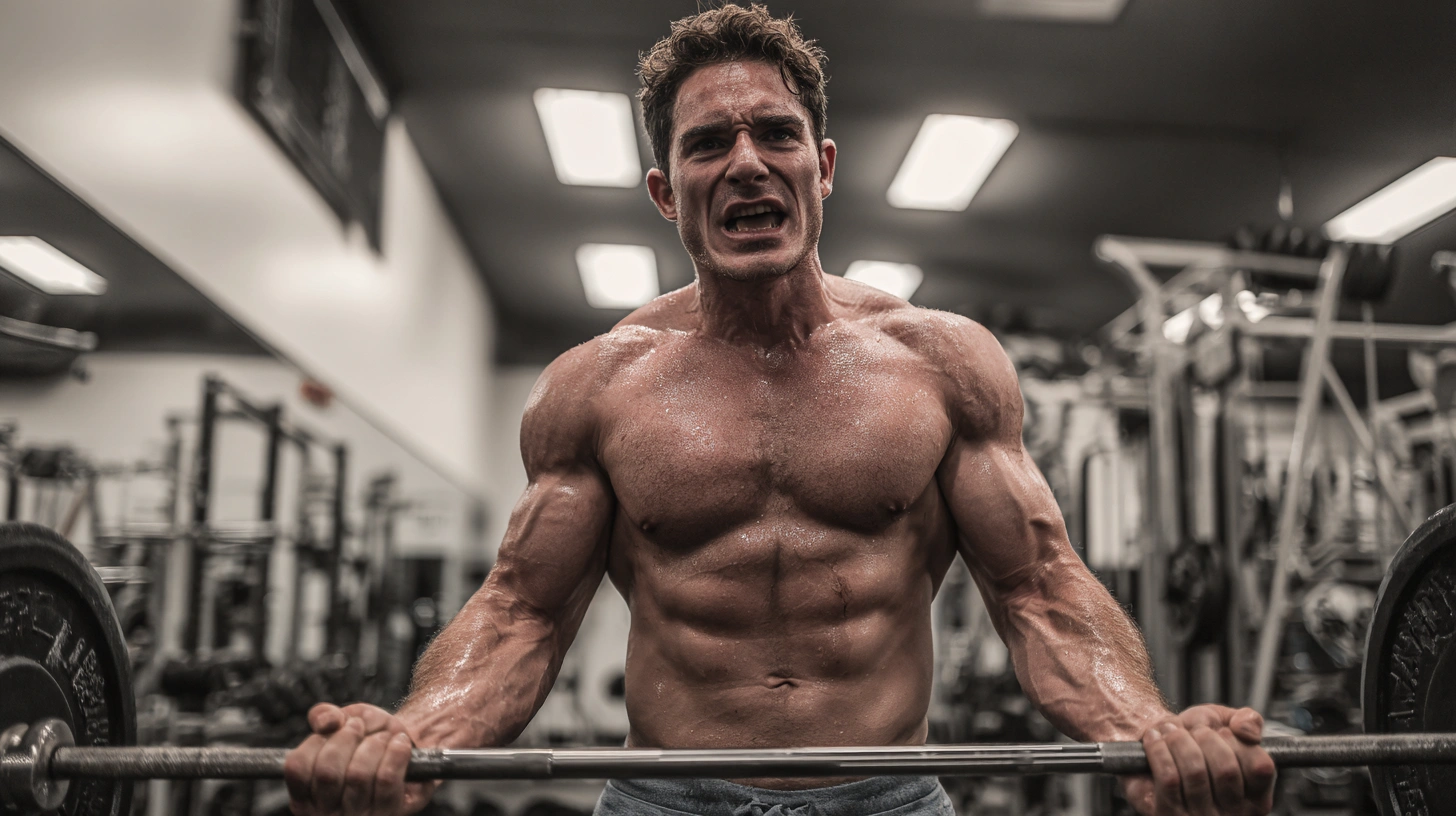
Some of the mental and emotional benefits include:
- Stress Relief: Strength training helps regulate cortisol, the body’s stress hormone, while promoting the production of serotonin and dopamine, which are crucial for mood balance.
- Improved Sleep: A tired body often leads to a calm, sleepy brain. Many older adults who lift regularly report deeper, more restful sleep.
- Cognitive Protection: Resistance training may help slow or even reverse cognitive decline, keeping your mind sharp as well as your muscles strong.
If you’re worried about mental slumps as you age, think of the weight room as your mental gym too.
Building Confidence Through Strength
Building muscle isn’t just about what you can lift—it’s about how you carry yourself in the world. I’ve seen countless older adults walk into the gym feeling unsure and walk out weeks later radiating confidence. There’s something deeply empowering about hitting a new PR or seeing visible changes in your physique, no matter your age.
A big part of this transformation is rooted in goal setting and achievement. The more you lift, the more you believe in your own capabilities. It’s a psychological feedback loop that reinforces self-esteem. And in a society that often tells us aging means decline, reclaiming physical strength is a radical, liberating act.
Here’s how muscle builds more than just physical power:
- Body Image: Many older adults struggle with how their body changes over time. Seeing muscle growth improves how you see yourself and boosts self-acceptance.
- Social Confidence: Feeling strong helps you engage more socially—whether it’s dating, meeting new people, or participating in active events, you’re less likely to hang back.
- Life Satisfaction: Studies show that people who exercise regularly report higher levels of overall life satisfaction and personal fulfillment, especially when they see results over time.
If you’ve ever doubted your potential to feel confident in your own skin again, muscle building might be the missing piece.
Muscle Building After Your Prime
Getting older doesn’t mean you have to slow down or settle for less strength. In fact, aging makes it even more important to stay strong and active. Muscle building becomes essential not just for looking fit, but for maintaining independence, mobility, and mental clarity. As the years go by, we naturally lose muscle through a process called sarcopenia—but strength training can dramatically slow that down.
Whether you’re just turning 30 or you’re in your 60s and thriving, it’s never too late (or too early) to build muscle. Here’s how muscle building looks across the decades—and why each stage matters for your long-term health.
Building Muscle in Your 30s
Your 30s are often when life gets busy with careers, families, and responsibilities—and unfortunately, that’s also when many people start to lose muscle mass if they aren’t paying attention. The metabolism begins to shift, and hormonal changes, like a slow decline in growth hormone and testosterone, can start to affect strength and muscle recovery.
This decade is ideal for setting a solid strength foundation. Resistance training two to four times a week, paired with smart nutrition and proper recovery, can help you not only build muscle but also maintain a lean physique. Think of your 30s as your muscle investment decade—what you do now will pay off in your 50s and 60s.

Building Muscle in Your 40s
In your 40s, maintaining lean muscle mass gets a little trickier, but it’s still very achievable. You may notice that recovery takes a bit longer and joints might complain more than they used to. This is also when sarcopenia quietly starts to accelerate—especially if you’re not active.
Muscle maintenance in this decade should involve structured strength training, flexibility work, and intentional recovery. Add mobility drills to your warm-up and increase your protein intake to help muscles recover faster. It’s also a great time to consider supplements that support hormone balance and reduce inflammation, especially if you’re training hard.
Building Muscle in Your 50s
By your 50s, muscle preservation becomes a top priority. This is when the natural decline in muscle mass and strength becomes more noticeable, and it’s also when many people start to feel the consequences of decades of inactivity. But here’s the good news—you can still build muscle in your 50s, and the benefits go far beyond aesthetics.
Start with full-body strength workouts twice a week and focus on form over heavy lifting. Recovery becomes more important than ever, so make sure you’re stretching, sleeping well, and staying hydrated. Strength training at this age helps maintain bone density, reduce fall risk, and support metabolic health.
Women and men alike benefit from this shift—whether it’s using dumbbells, resistance bands, or even bodyweight training. Progress might be a bit slower than in your 30s, but it’s absolutely possible, and extremely rewarding.
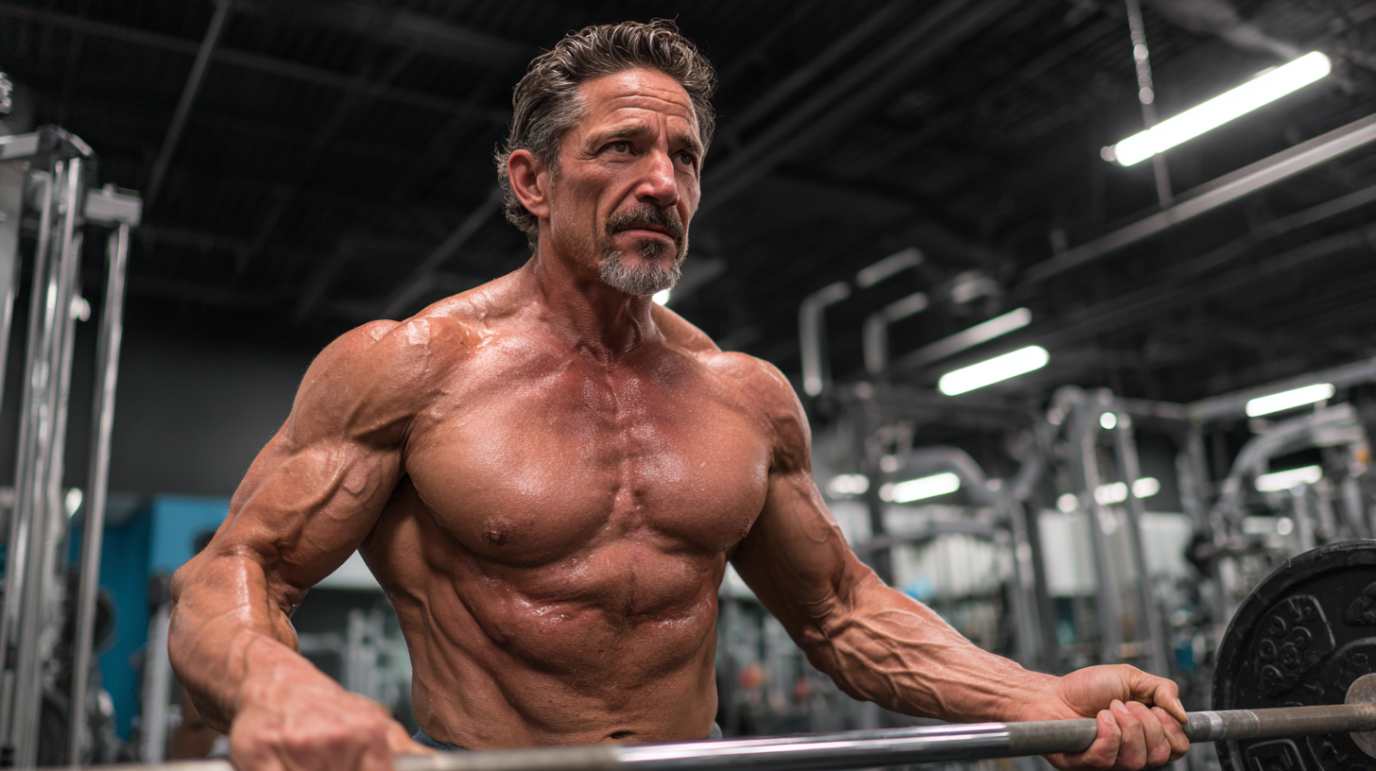
Building Muscle in Your 60s and Beyond
In your 60s, muscle building is less about PRs and more about quality of life. Functional strength is the name of the game—keeping your body capable of doing daily activities, preventing falls, and maintaining independence. At this age, people often believe it’s “too late,” but research shows that older adults can still gain muscle and strength with consistent training.
Focus on low-impact resistance training, balance exercises, and core work. Walking, swimming, and yoga are great companions to a simple resistance program. Even two days a week of strength-focused movement can make a massive difference.
You’ll also want to prioritize recovery, stay on top of your nutrition, and possibly work with a coach or physical therapist to make sure your training is appropriate for your body. Don’t underestimate the emotional benefits, either—strength training can reduce symptoms of depression and keep your mind just as sharp as your body.
Nutrition for Muscle Maintenance
You can’t out-train a bad diet, especially as you age. Nutrition for muscle growth in seniors is just as crucial—if not more so—than your workout routine. Older adults often require more protein and certain nutrients to effectively build and preserve muscle mass.
Protein is the star of the show when it comes to rebuilding muscle tissue, especially after a workout. The role of protein in muscle building becomes even more critical as your body’s ability to synthesize it decreases with age. Aim for a variety of protein sources—both animal and plant-based—for best results.
Top nutrients for older adults focused on muscle:
- Protein: Go for 1.2–2.0 grams of protein per kg of body weight daily. Think lean meats, eggs, Greek yogurt, beans, and protein shakes.
- Vitamin D and Calcium: Crucial for bone strength, which supports your muscle system. Fatty fish, fortified foods, and sunlight exposure help.
- Omega-3 Fatty Acids: Found in salmon, flaxseeds, and walnuts, these reduce inflammation and may improve muscle recovery.
- Hydration: Often overlooked, but staying hydrated is essential for muscle function and joint health.
Dialing in your nutrition can seriously accelerate your progress and help your body recover faster.
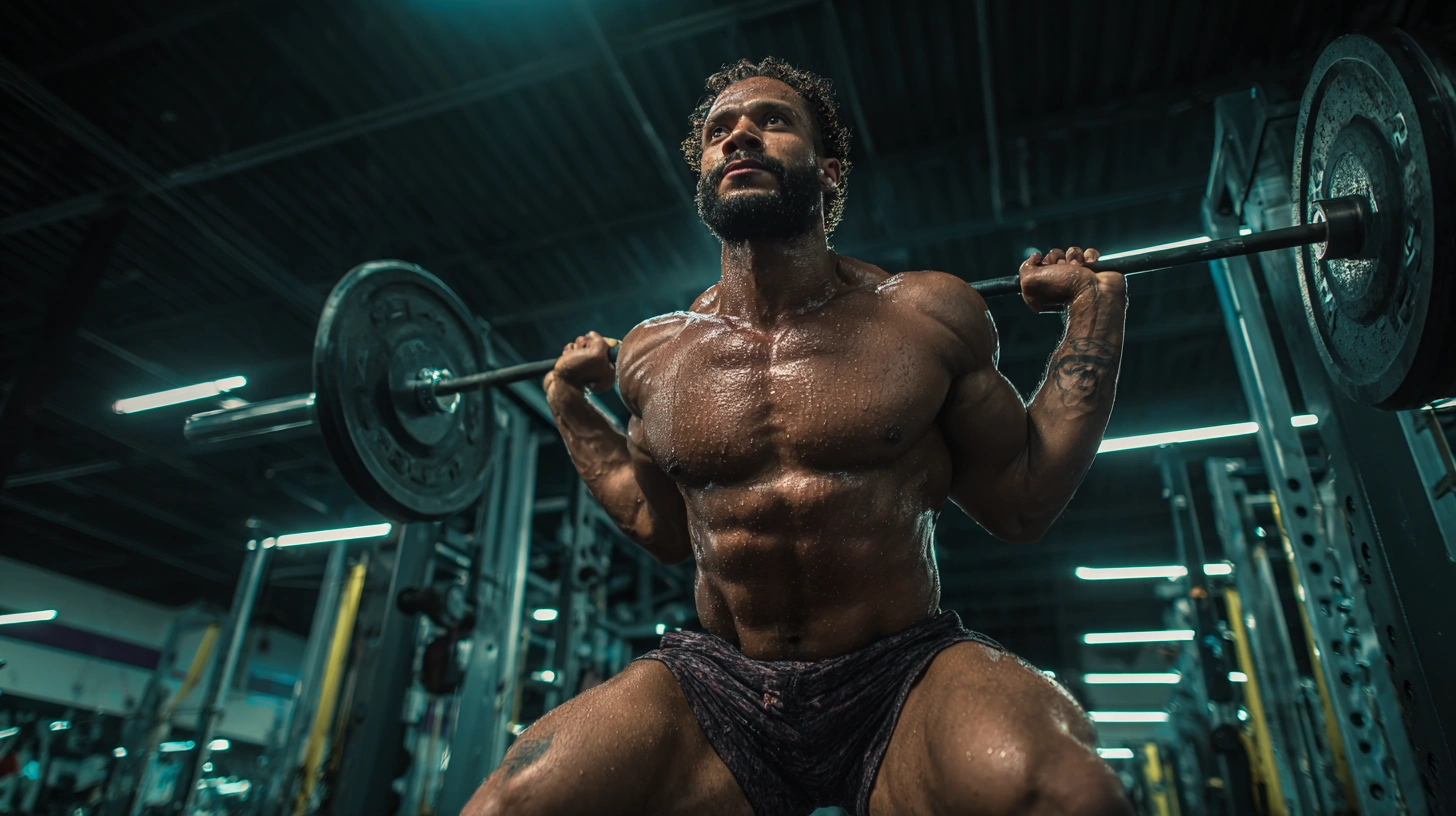
Practical Tips for Keeping Muscles Strong as You Age
Getting older doesn’t mean working out has to become complicated—it just needs to be intentional. Strength training for older adults should focus on safety, consistency, and functional movements.
Whether you’re new to resistance training or picking it up again after a break, keep things simple. Start with bodyweight exercises or light dumbbells and focus on proper form before ramping up intensity. It’s better to start small and grow than to burn out fast.
Actionable ways to maintain strength:
- Train 2–3 Times Per Week: Focus on compound exercises like squats, rows, push-ups, and deadlifts. These work multiple muscle groups efficiently.
- Include Recovery Days: Older muscles need more time to heal. Stretching, foam rolling, and getting enough sleep all help with muscle recovery in seniors.
- Track Progress: Whether it’s lifting heavier weights or completing more reps, seeing your progress is a big motivator.
- Stay Realistic: You’re not trying to be a 20-year-old bodybuilder. You’re trying to build strength that supports real-life function and wellness.
Consistency is more powerful than intensity. Stick with it, and you’ll be amazed at how capable your body still is.
Social Connections and Community Support
Fitness doesn’t have to be a solo journey. In fact, it’s often more successful when shared. Whether it’s workout buddies, fitness classes, or online groups, the community support in fitness can be just as beneficial as the workouts themselves.
Having people to share goals with, celebrate milestones, and even vent frustrations makes the process more enjoyable. It also increases accountability—you’re more likely to show up when someone’s expecting you.
How community helps:
- Motivation: Seeing others succeed motivates you to keep going, even on tough days.
- Emotional Support: Encouragement from others can help during mental ruts or physical setbacks.
- Friendship: Group fitness fosters connection, especially important for older adults facing social isolation.
A strong body is great, but strong relationships are equally vital for healthy aging and muscle mass preservation.

Why Trusted SARMs Is Your Ally in Aging Strong
No matter what decade you’re in—30s, 40s, 50s, or 60s—building muscle is not just a vanity goal, it’s a necessity for long-term health, mobility, and confidence. As women age, strength becomes a form of defense: against bone loss, metabolic slowdowns, hormonal imbalances, and even emotional burnout. But aging doesn’t mean slowing down—it means training smarter, fueling better, and taking a proactive role in your vitality.
That’s where Trusted SARMs comes in. As Canada’s most reliable source for premium performance-enhancing supplements, Trusted SARMs offers a science-driven approach to muscle growth, recovery, and long-term fitness. Whether you’re new to resistance training or refining your seasoned training cycle, their products—ranging from SARMs and peptides to on-cycle support and PCT—are all lab-tested, transparently formulated, and optimized for real results.
Every capsule is backed by research, manufactured with purity in mind, and tailored for users who take their health seriously. Trusted SARMs doesn’t just sell supplements—they partner with your performance goals, helping you unlock your strongest self at any stage of life. If you’re ready to build strength, reclaim energy, and move through aging with power and precision, Trusted SARMs is the trusted name to stand behind.
Experience the difference. Trust the science. Build your future—stronger than ever.
Frequently Asked Questions
- Is it harder to build muscle as you get older?
Yes, it can be slightly harder due to hormonal changes, decreased protein synthesis, and longer recovery times. However, with proper training and nutrition, significant muscle gains are still possible at any age. - Can women over 60 still build muscle?
Absolutely. Women can build muscle at any age with resistance training and proper nutrition. It might take more consistency, but the benefits for bone health, balance, and confidence are worth it. - How much protein should older adults consume to build muscle?
Older adults should aim for 1.2–2.0 grams of protein per kilogram of body weight per day to support muscle growth and recovery. - What are the signs of age-related muscle loss (sarcopenia)?
Common signs include weakness, slower walking speed, reduced stamina, and difficulty with everyday tasks like lifting or climbing stairs. - Can strength training help with arthritis?
Yes, strength training can support joint health by building muscle around affected joints, reducing pain, and improving function. - How often should seniors strength train?
Two to three non-consecutive days per week is ideal for beginners, gradually increasing frequency as fitness improves. - What types of exercises are safest for seniors?
Bodyweight movements, resistance bands, machines, and light dumbbells are great starting points. Always focus on form and avoid heavy lifting without supervision. - Are supplements necessary to build muscle after 50?
Not necessarily, but they can help. Supplements like protein powder, creatine, and SARMs can support your goals when paired with a healthy diet and workout routine. - Can building muscle help with mental health?
Yes, strength training has been shown to reduce symptoms of depression, anxiety, and improve cognitive function in older adults. - What if I’ve never lifted weights before—is it too late?
It’s never too late. Start small, be consistent, and don’t be afraid to ask for help from a trainer or fitness coach.